
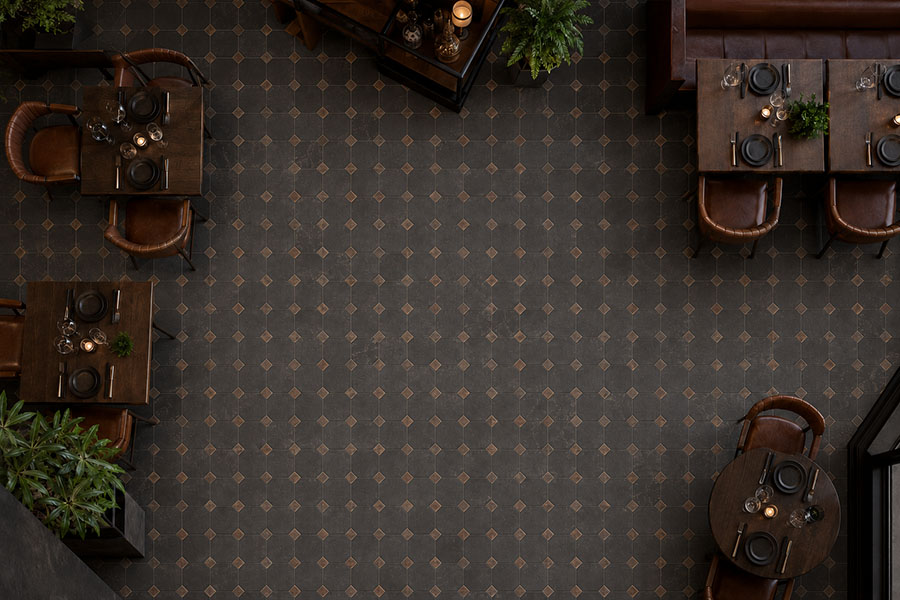
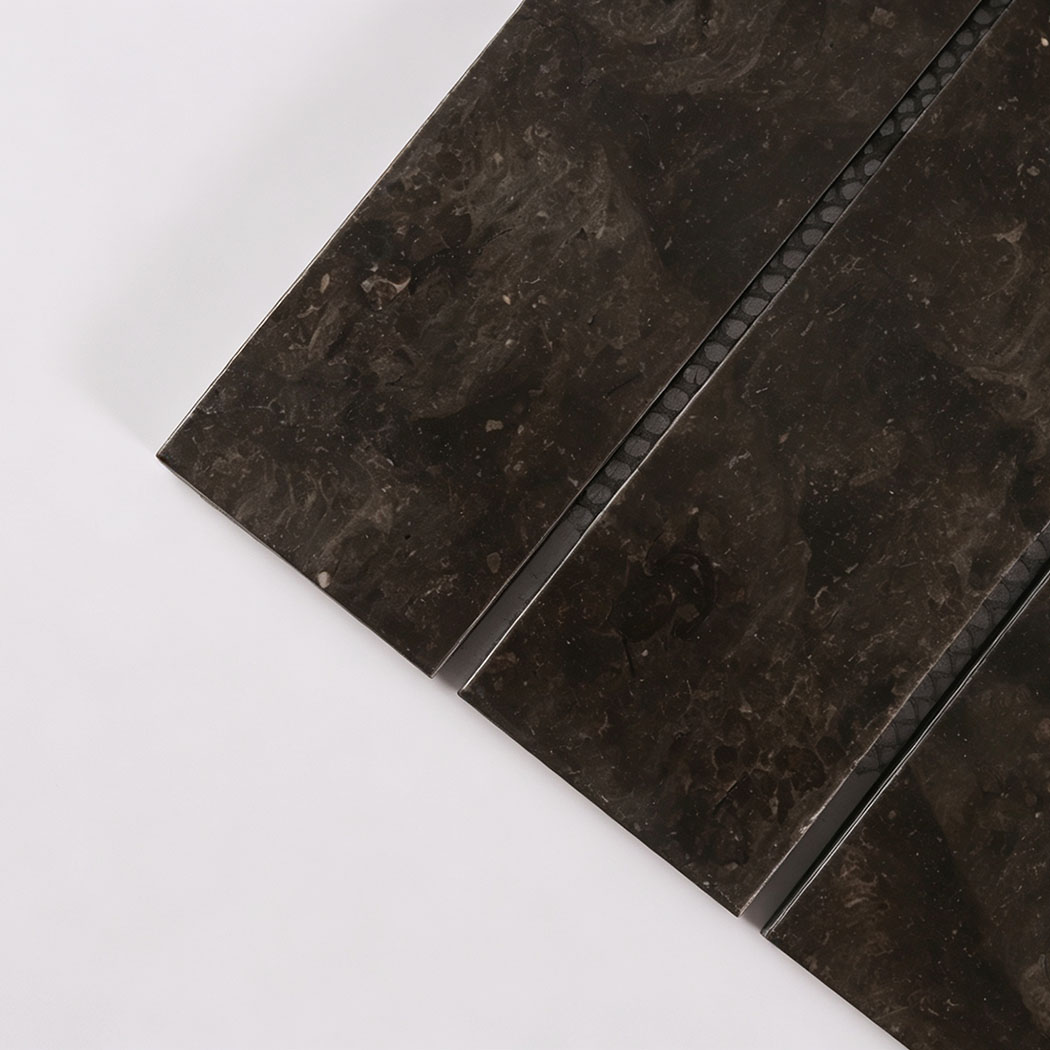
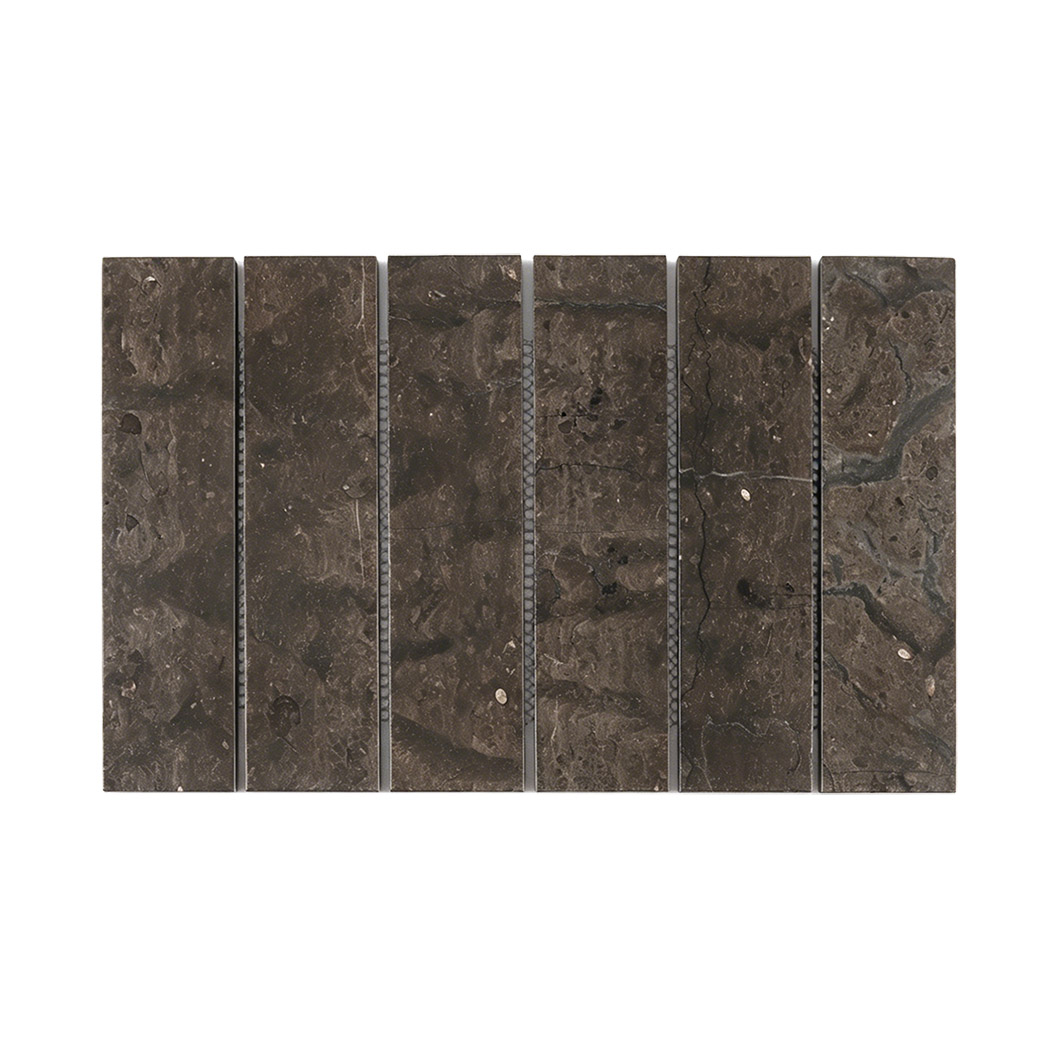

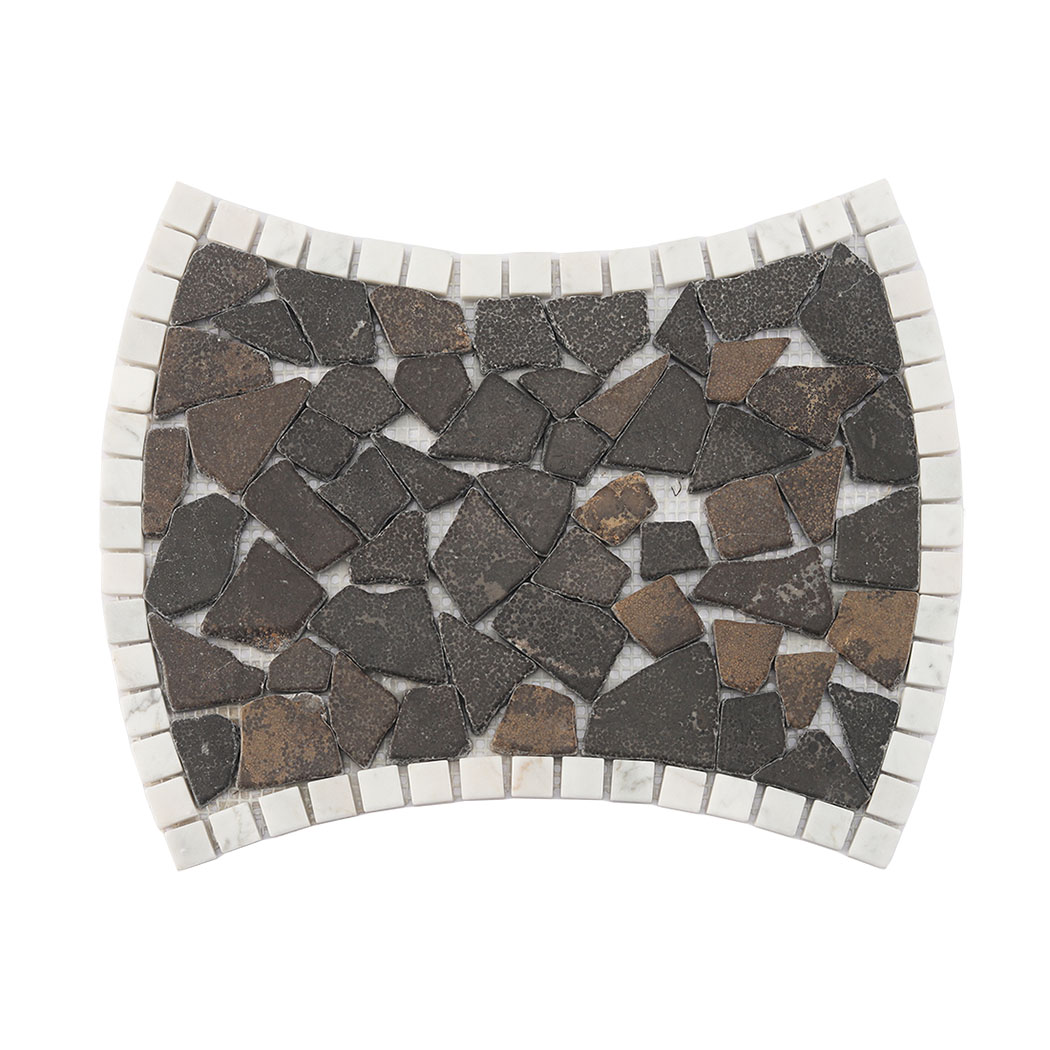
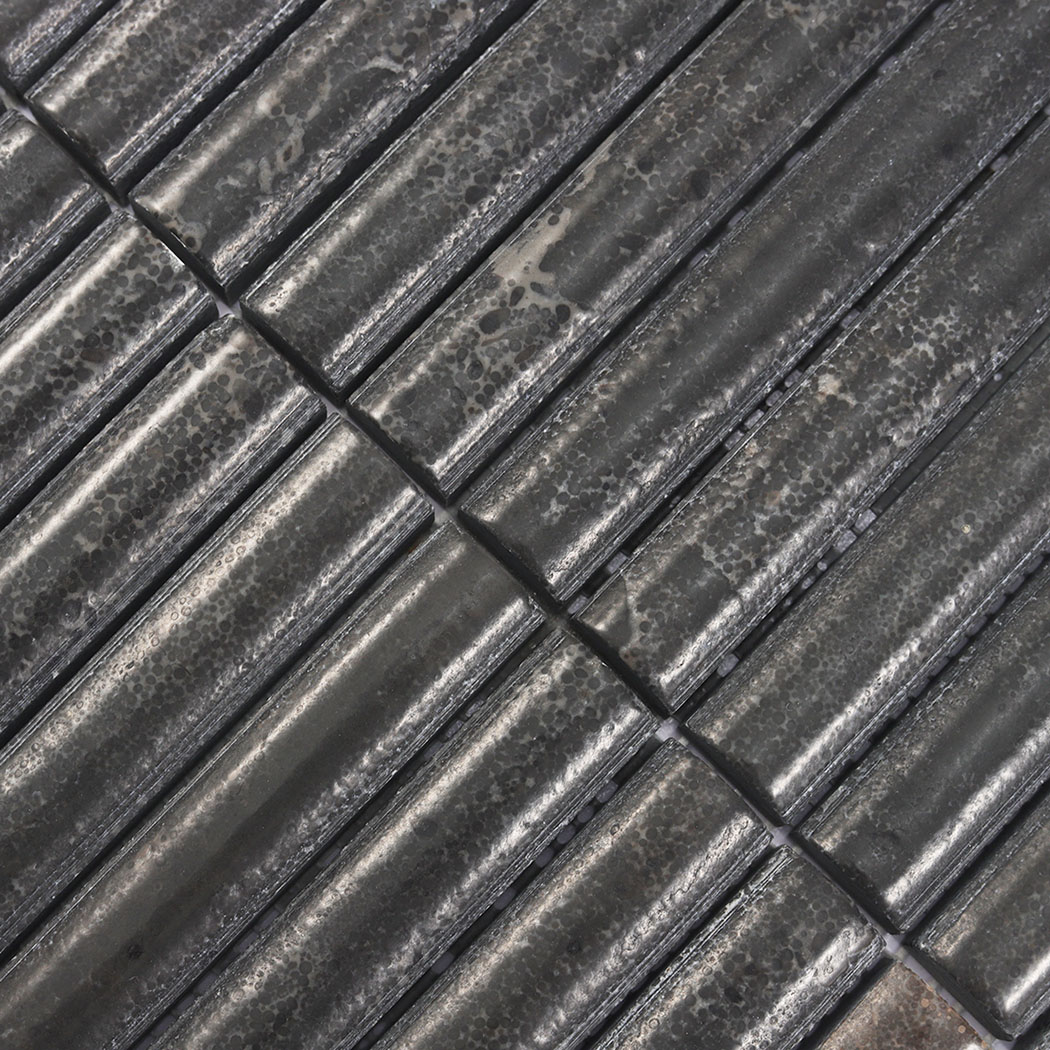
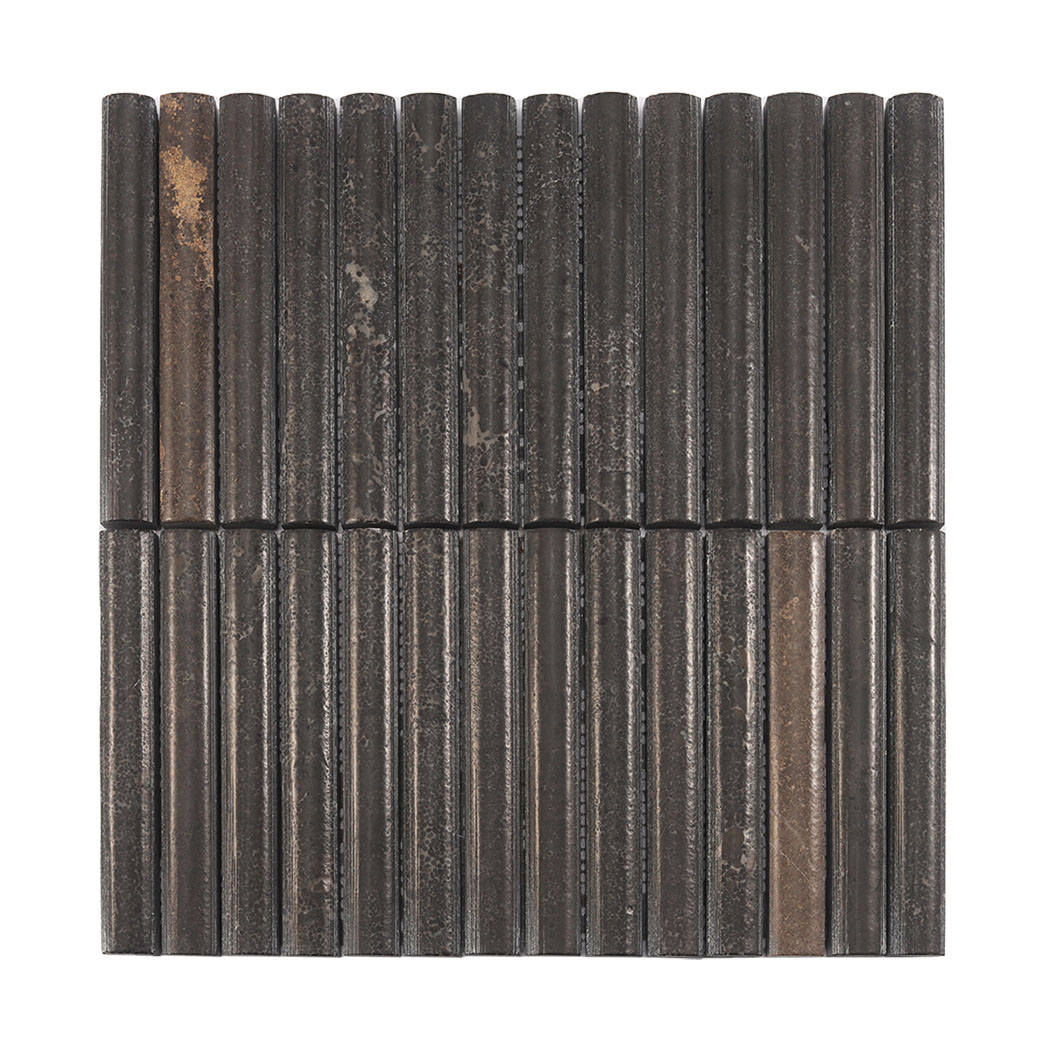
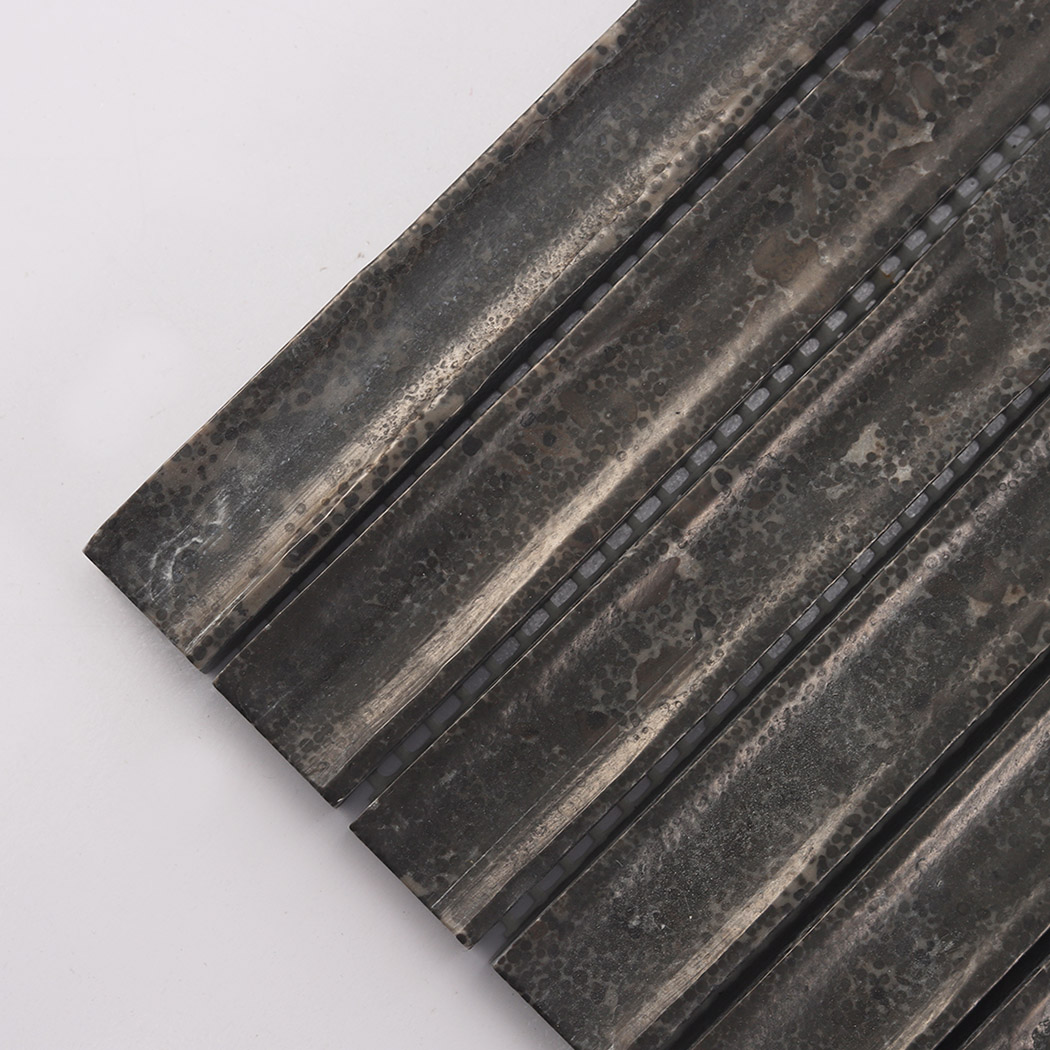
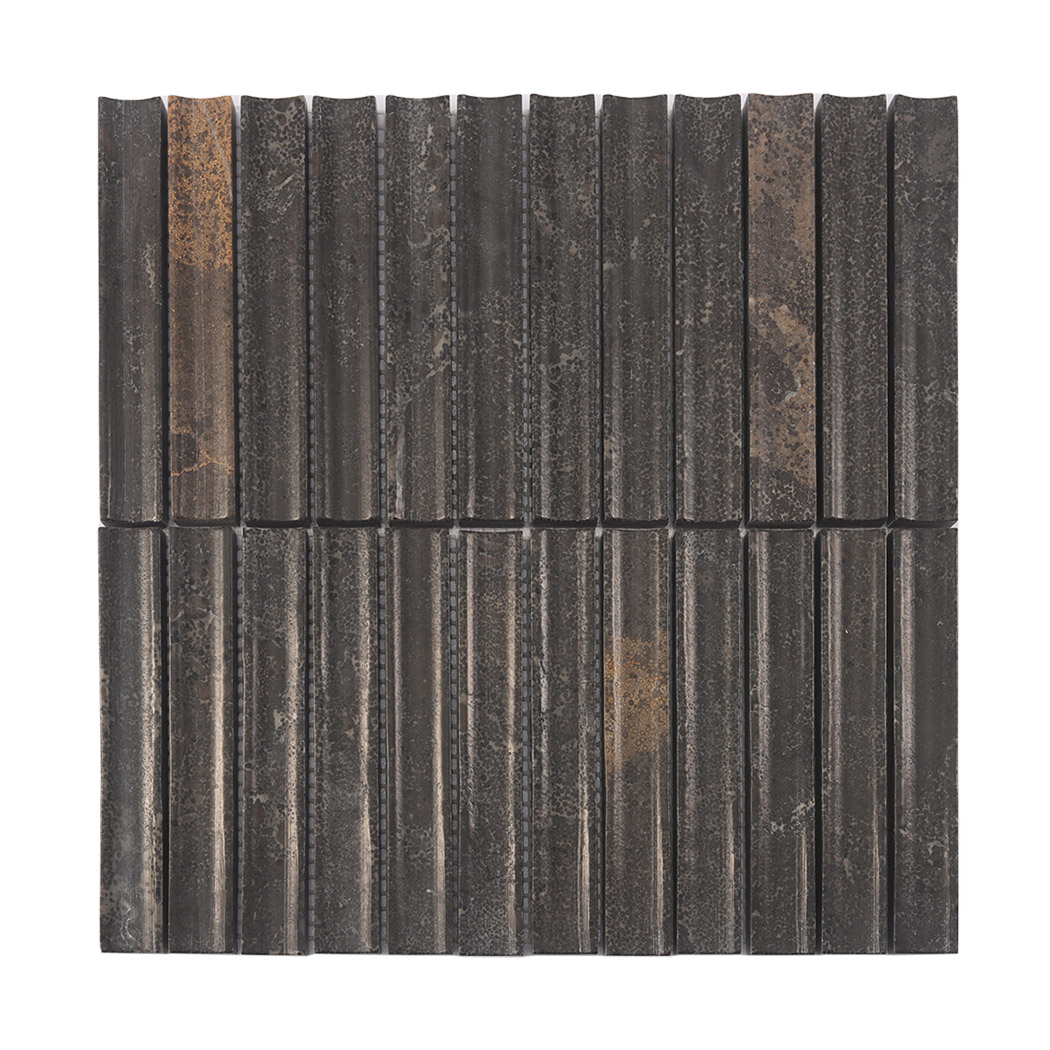

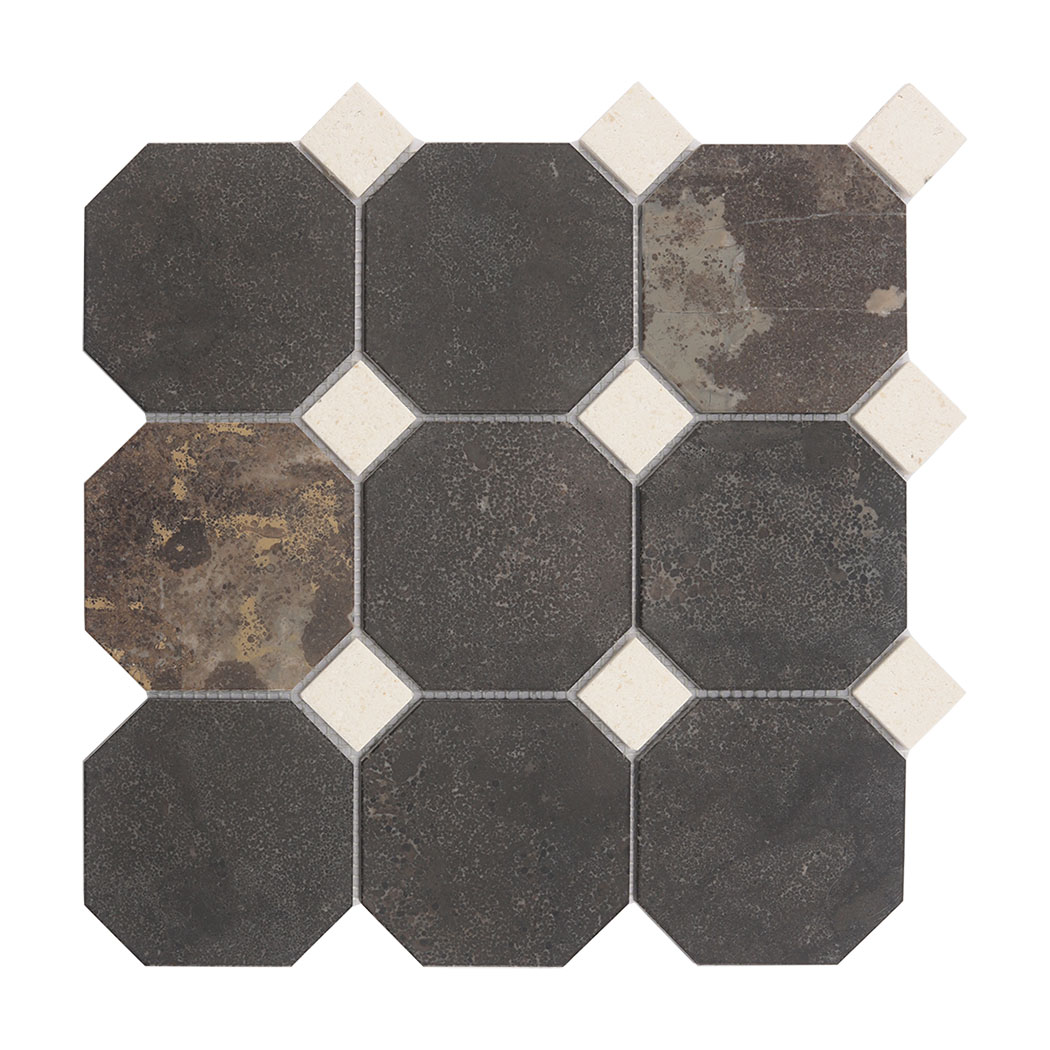


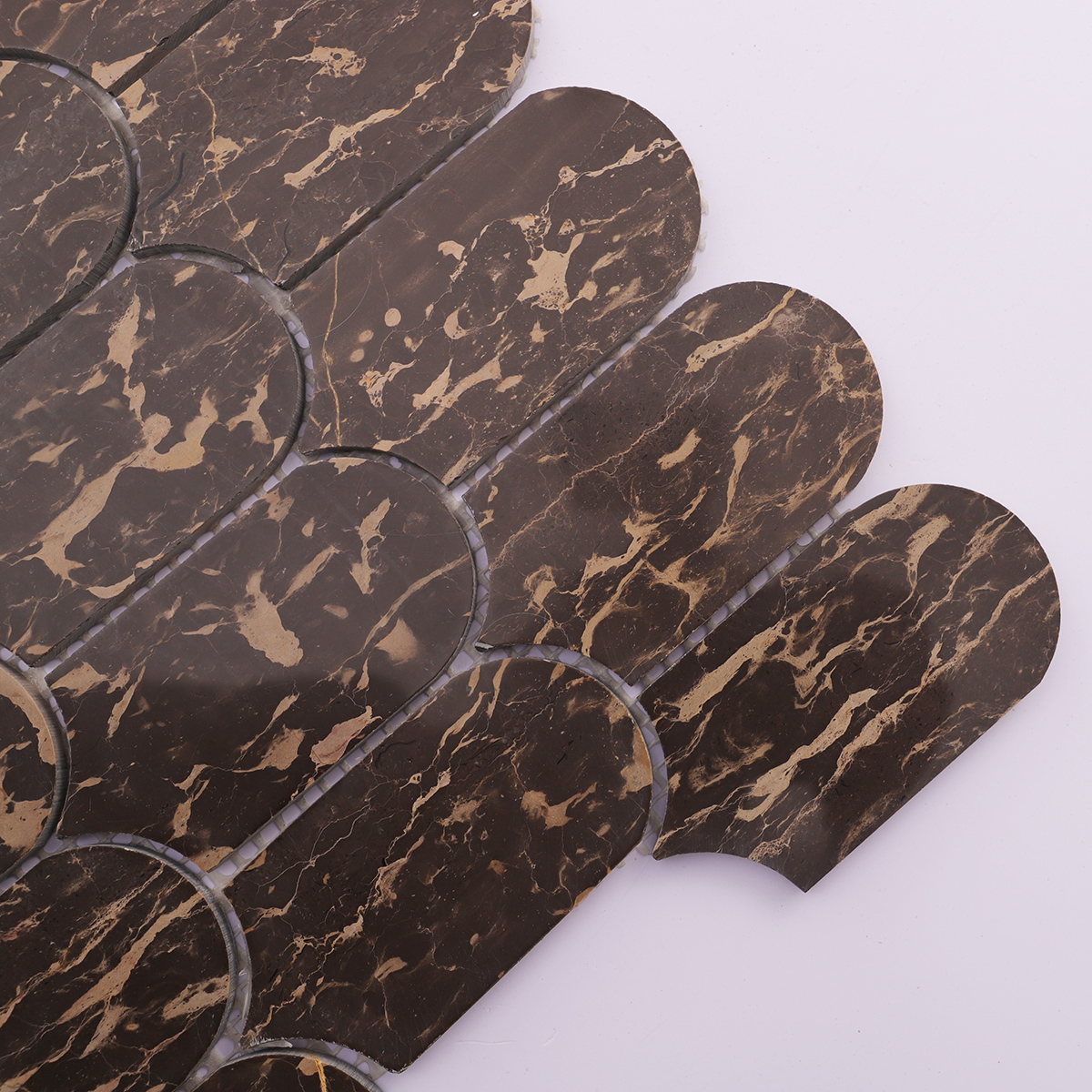
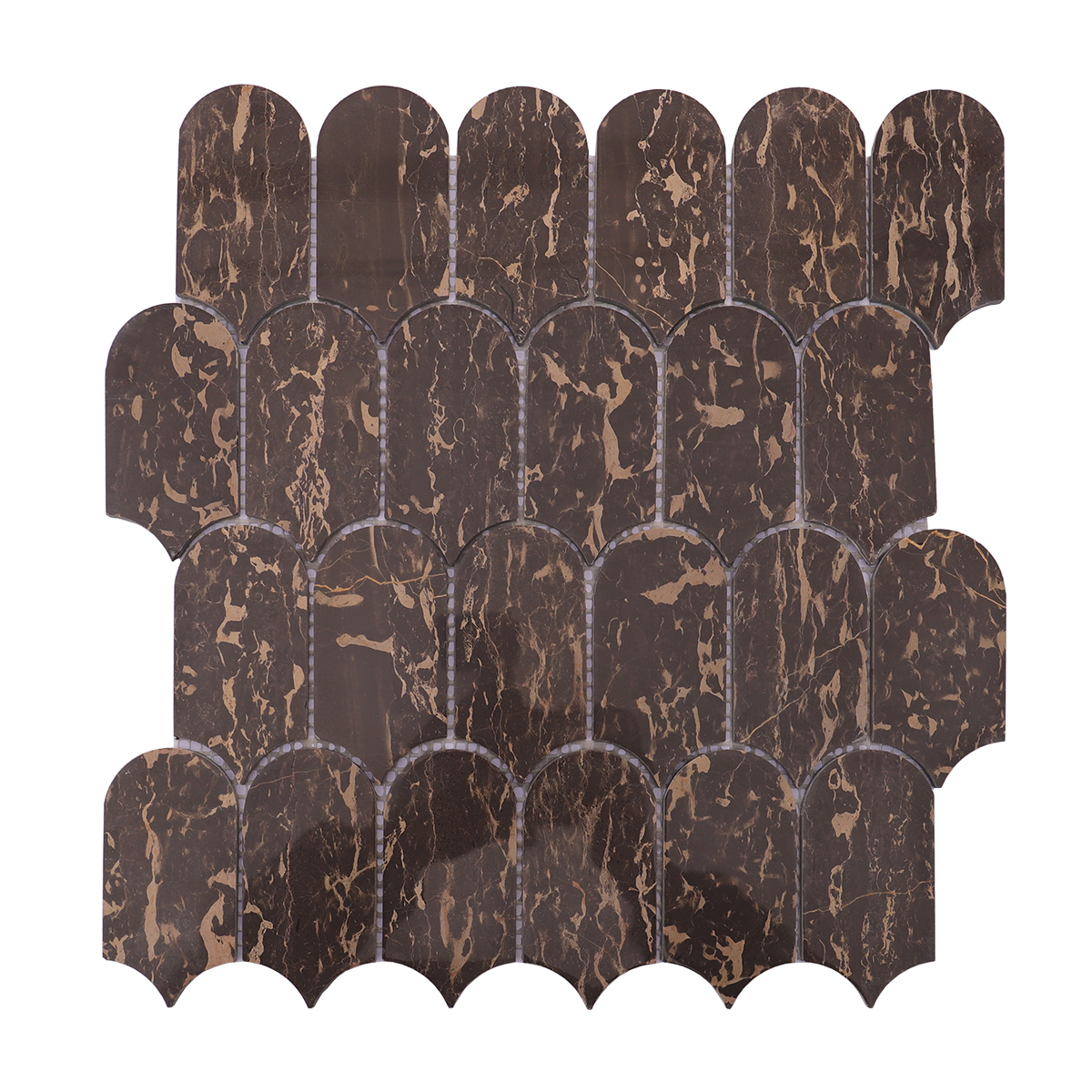
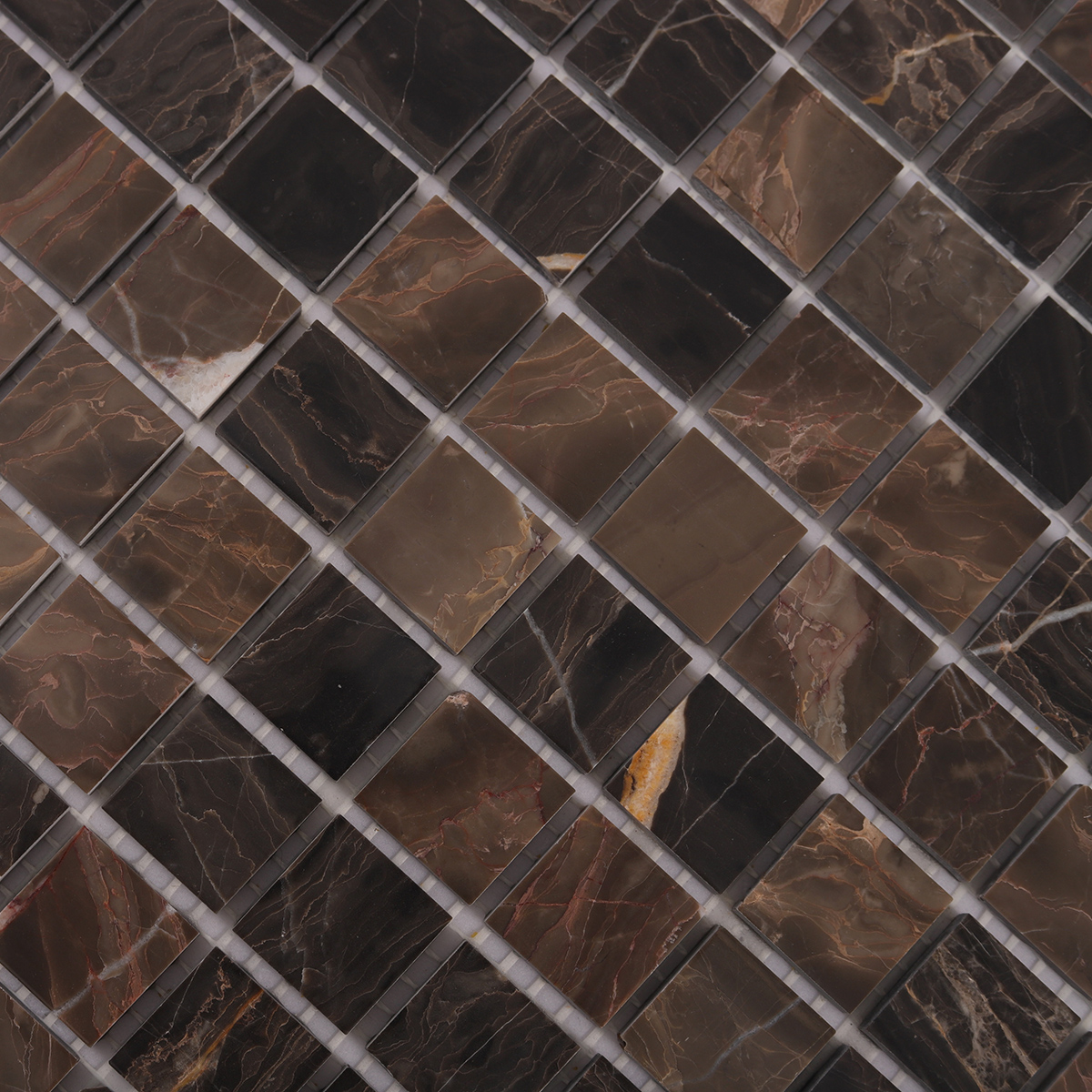
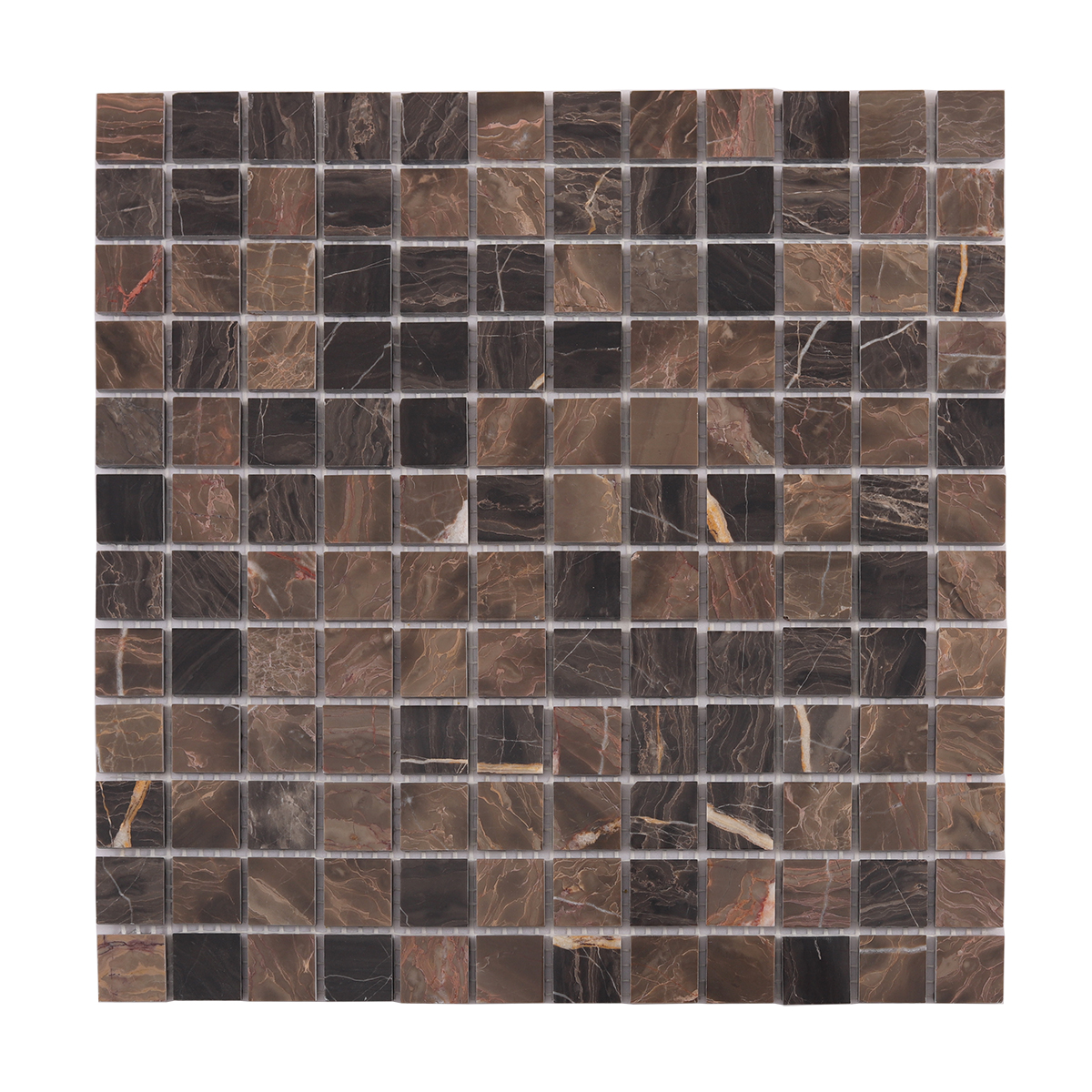
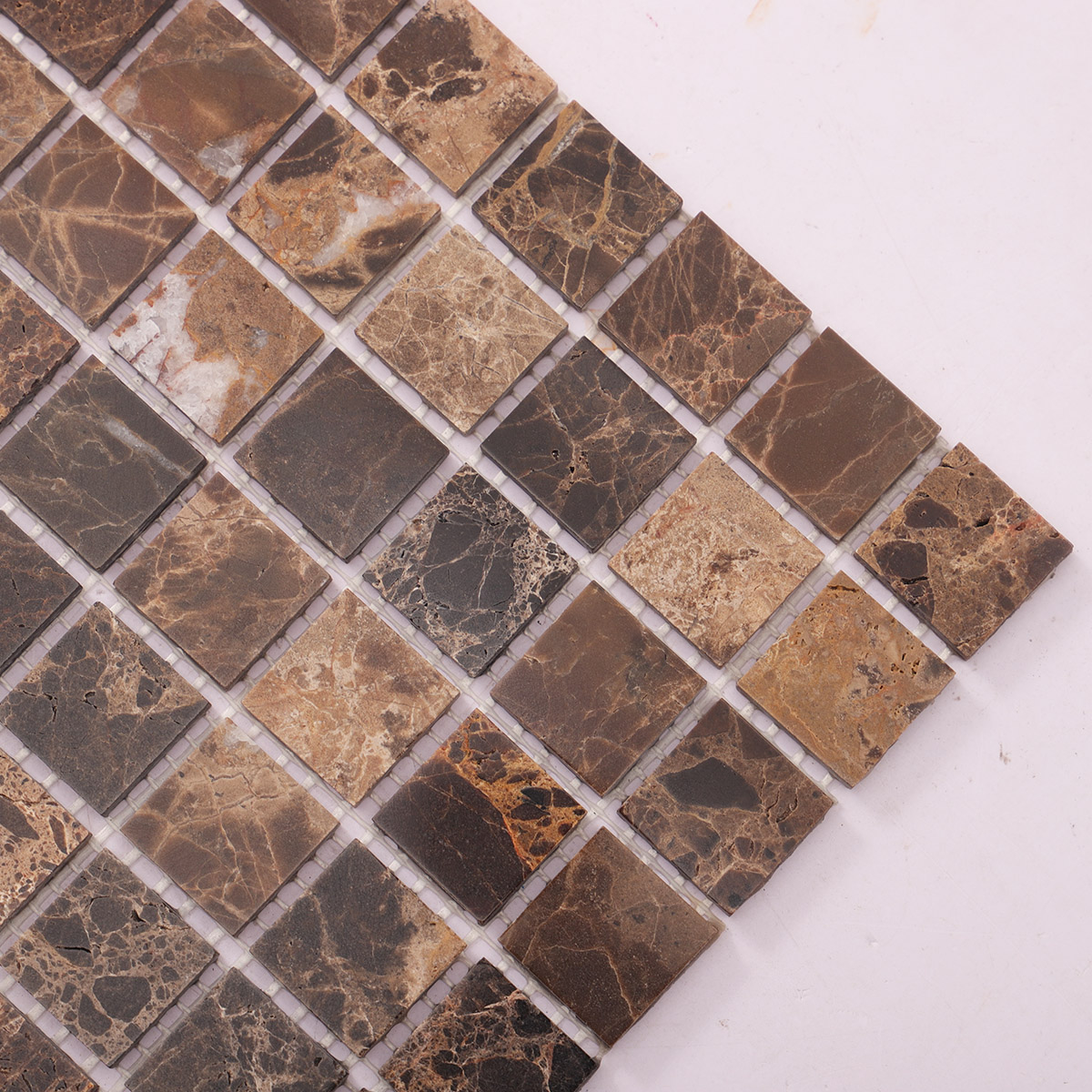
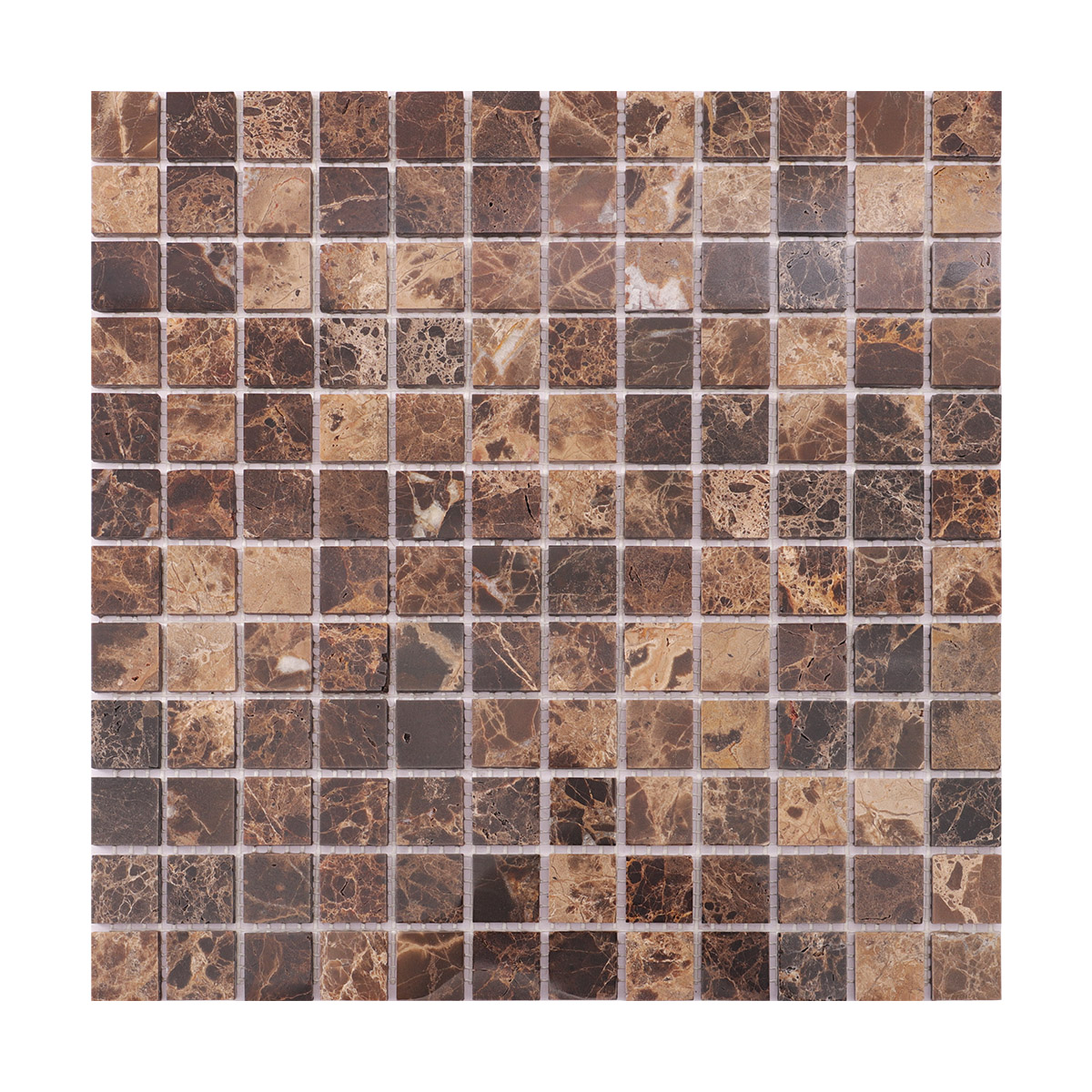
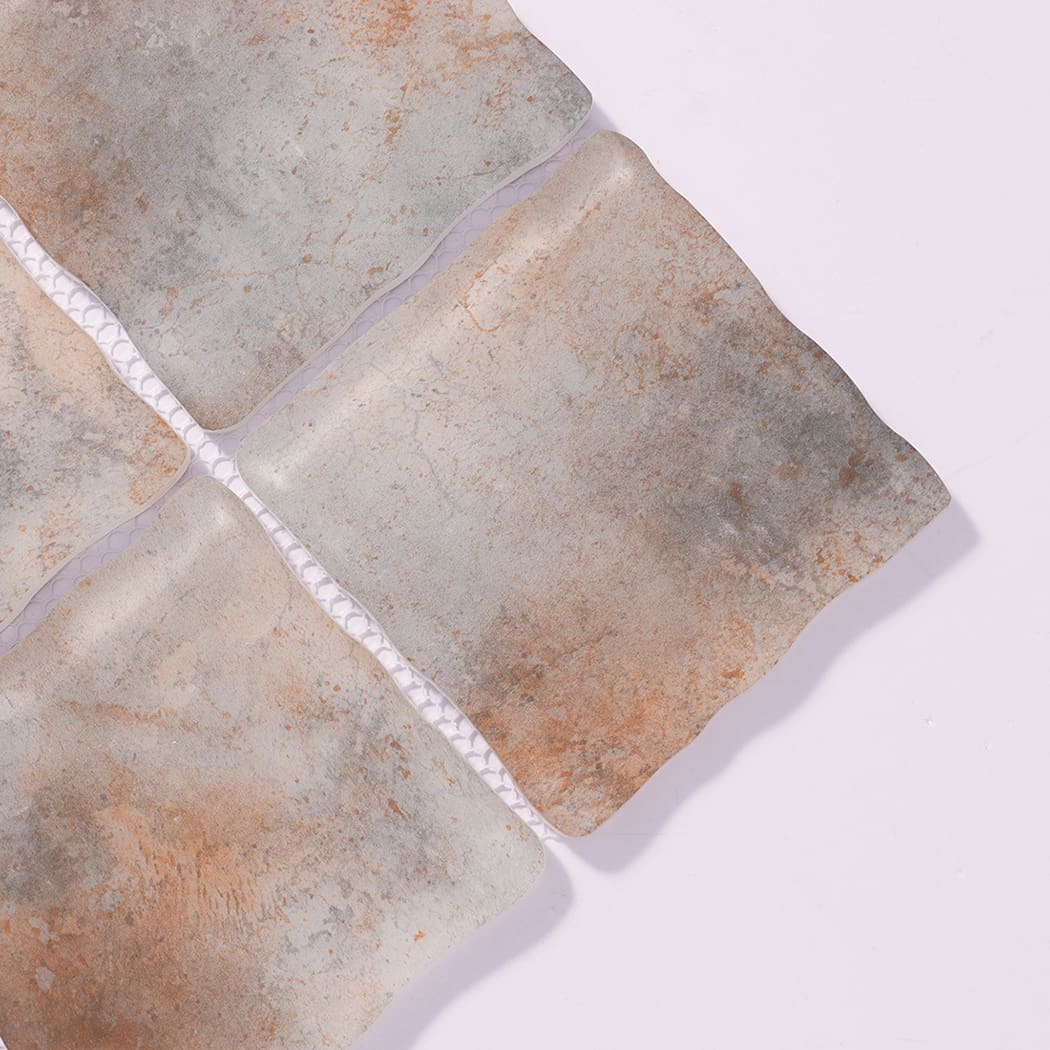
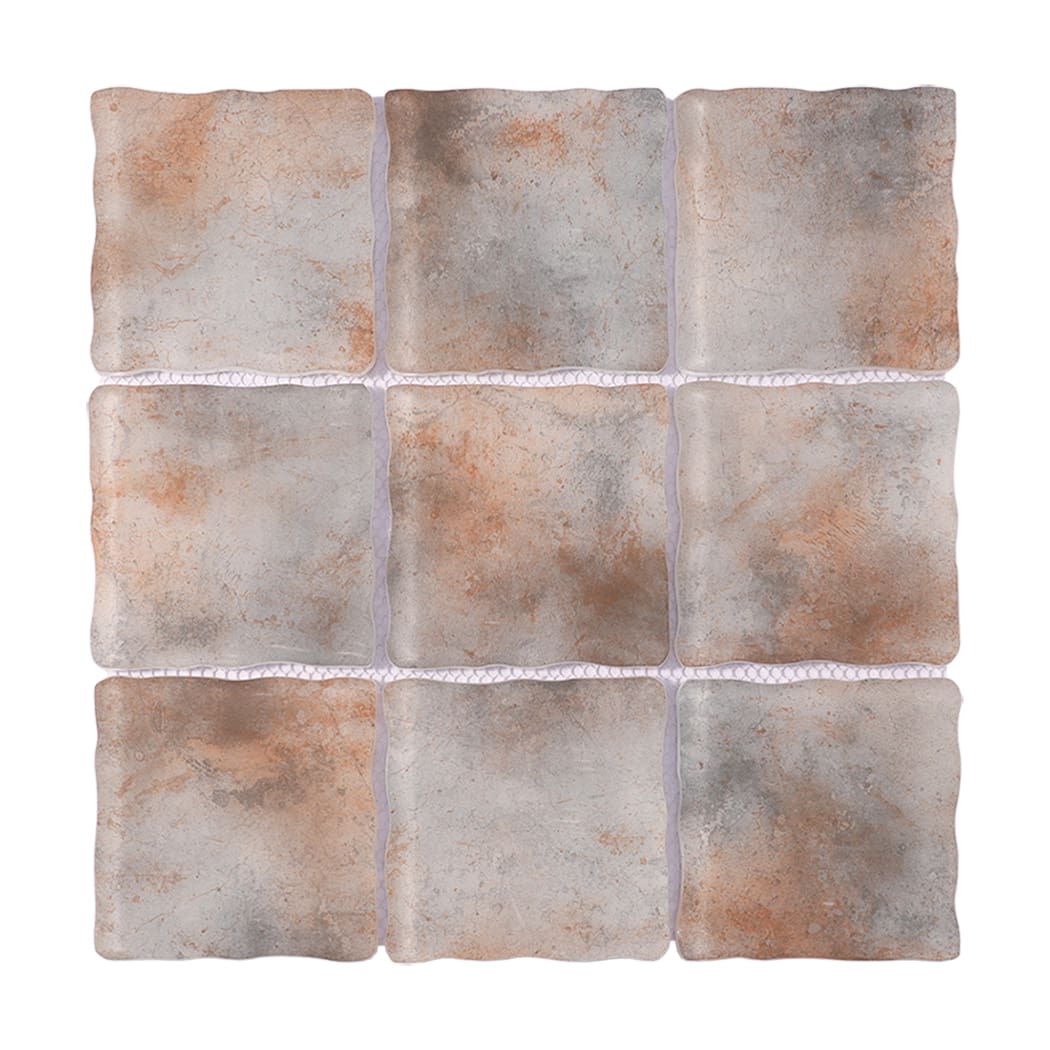
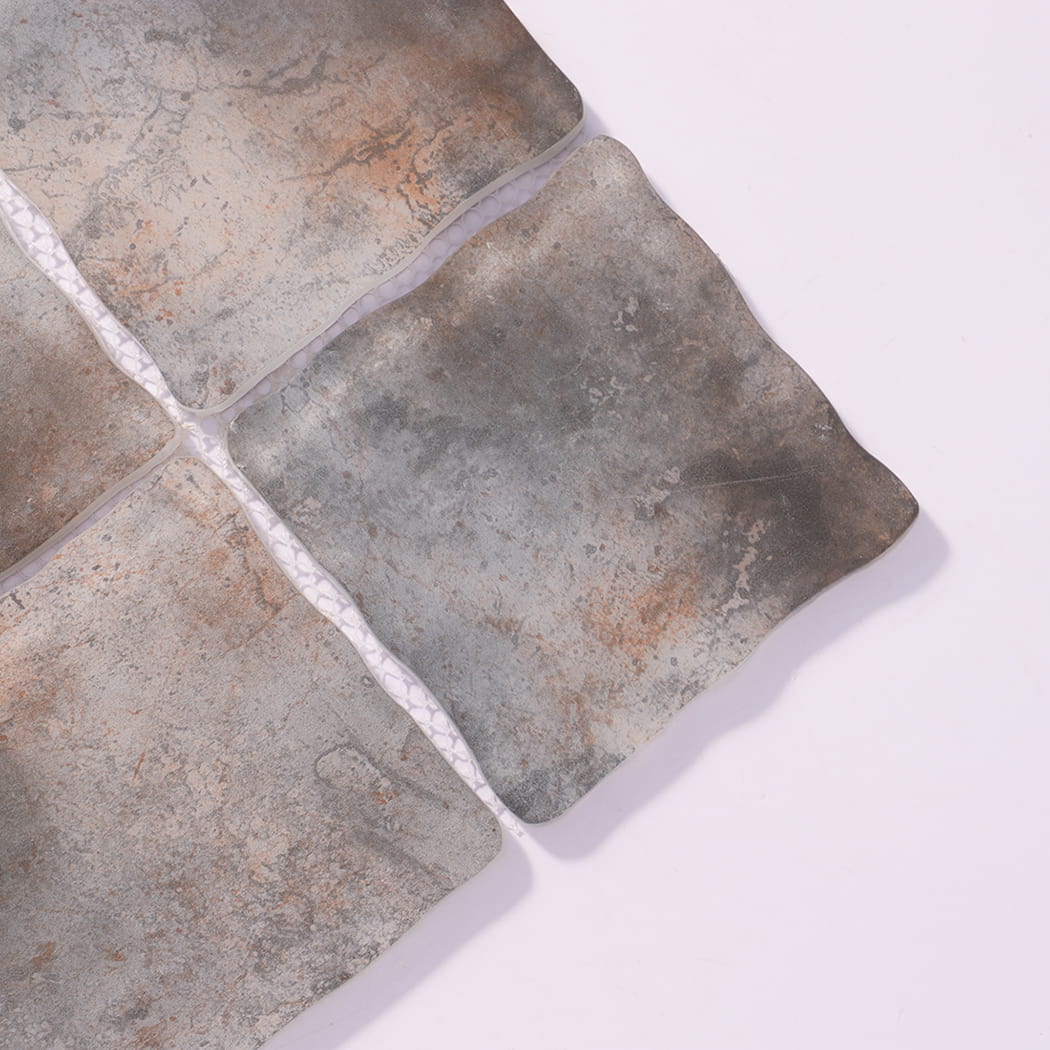
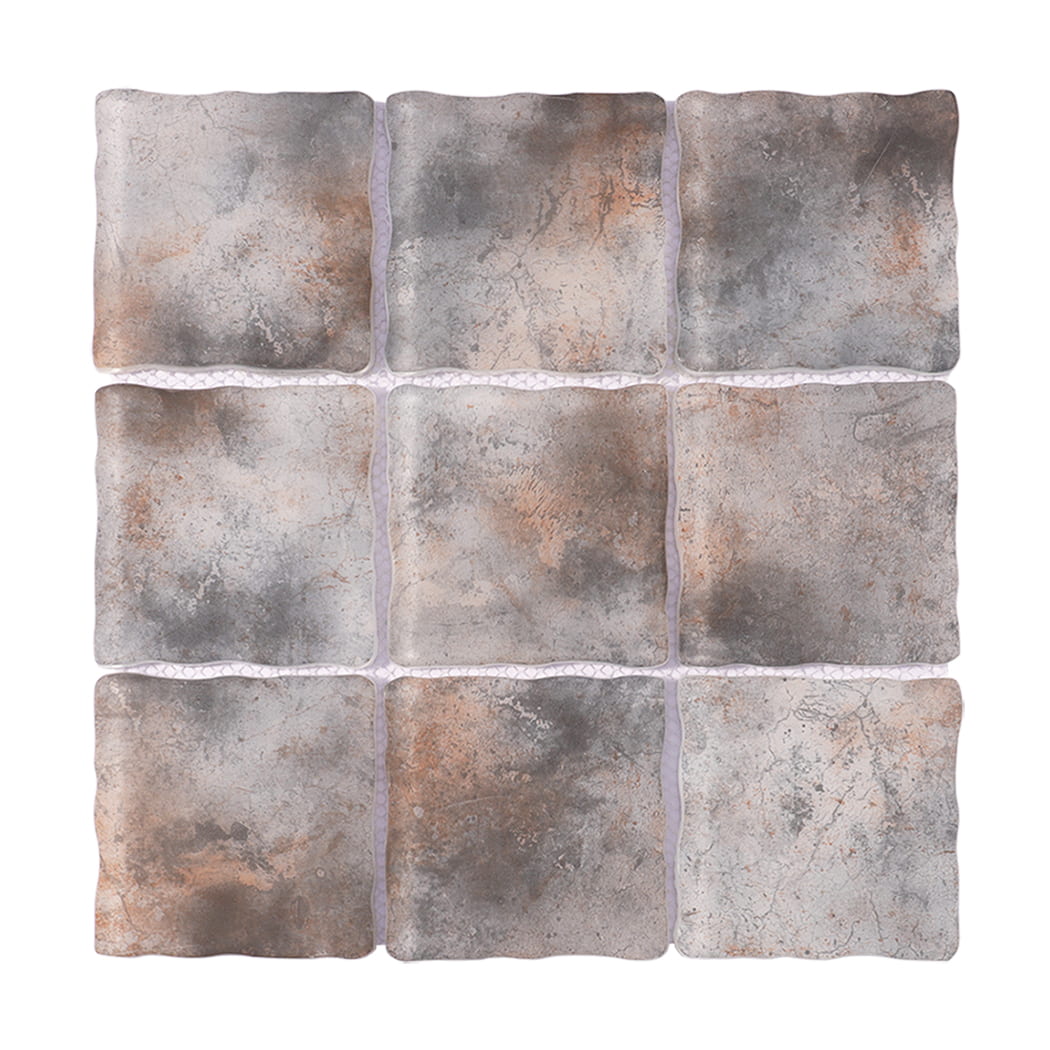
Industrial floor tiles from Saicina Tiles combine the raw character of weathered metal with the authentic strength and variation of natural stone. Crafted from natural rust slate, these dark brown floor tiles feature mineral-rich color movement, layered earthy tones and naturally varied markings that create a distinctive industrial appearance.
Unlike printed rust-look porcelain, the color and texture of natural slate come from the stone itself. Each tile displays individual tonal variation, giving the completed floor a more organic and less repetitive appearance. The result is a warm, substantial surface suited to industrial-inspired hotels, restaurants, cafés, retail stores, studios and residential interiors.
Available with custom sizing support, our natural slate industrial-style floor tiles help designers create floors that feel authentic, durable and visually connected to raw architectural materials such as aged steel, timber, exposed brick and concrete.
Contact Saicina Tiles to request samples, confirm project specifications or receive a custom quotation.
Why Choose Natural Slate Industrial Floor Tiles?
Natural rust slate offers a combination of material authenticity, practical floor performance and distinctive design. Its deep brown palette brings warmth to industrial interiors while maintaining the rugged character associated with aged metal and quarried stone.
Authentic Natural Rust Character
The rusted appearance is created by the natural mineral composition and color variation of the slate rather than a repeated printed image. Dark brown, copper, charcoal and earthy rust tones may appear across the surface, creating depth and visual movement.
Because it is a natural material, no two tiles are completely identical. This variation helps produce a finished floor with a more realistic, project-specific appearance.
Durable Natural Stone Construction
Slate is a dense natural stone that can perform well in appropriately specified interior flooring applications. When the correct thickness, installation system, substrate and finish are selected, it is suitable for regular pedestrian traffic in hospitality, retail and residential environments.
Actual load capacity, impact resistance and commercial suitability must be confirmed for the specific product and installation assembly.
Naturally Textured Appearance
The surface character of rust slate gives the floor a tactile, architectural quality. A suitable textured finish may also provide better traction than a highly polished surface.
However, no flooring should be described as completely slip-proof. Wet conditions, oil, grease, dust, cleaning residue, footwear and maintenance practices can all affect traction. Request available slip-resistance information before specifying the tile for wet or safety-critical areas.
Rich Dark Brown Color
The deep brown base provides a more welcoming alternative to cold gray industrial flooring. It works particularly well with blackened steel, bronze fixtures, walnut furniture, leather upholstery, exposed brick and warm architectural lighting.
Individual Pattern Variation
Every natural slate tile contains its own markings and tonal transitions. When tiles from different boxes are blended during installation, the variations create a balanced surface without the obvious pattern repetition sometimes found in digitally printed products.
Custom Project Support
Saicina Tiles can assist with custom dimensions, quantity calculations, product samples and project-specific selection. For commercial projects, provide the floor plan, installation area, expected traffic, substrate information and intended application so the appropriate product can be evaluated.
What Are Industrial Floor Tiles?
The term “industrial floor tiles” is used for two related but different product categories.
The first category includes technically engineered flooring for factories, warehouses, automotive workshops and production facilities. These environments may require verified resistance to forklifts, rolling loads, impact, chemicals, hot liquids, oils and intensive cleaning.
The second category includes industrial-style floor tiles designed for hotels, restaurants, retail interiors, studios and homes. These products focus on the visual language of industrial design, including rusted metal colors, exposed material textures, concrete effects, dark neutral tones and natural variation.
Saicina Tiles’ natural rust slate belongs primarily to the second category. It is designed for industrial-inspired commercial and residential interiors. Use in heavy manufacturing, food-processing, chemical or vehicle-service environments requires separate technical evaluation and documented performance data.
Suitable Applications
Hotels and Hospitality Spaces
Dark brown industrial floor tiles can create a distinctive foundation for boutique hotels, industrial-style lobbies, corridors, lounges and guest areas. Natural variation helps large floors feel less repetitive, while the warm brown color supports both dramatic and comfortable hospitality interiors.
Restaurant Dining Areas
Natural rust slate works well in restaurant dining rooms, reception areas, bars, cafés and customer-facing circulation spaces. Its earthy color helps conceal minor everyday dust more effectively than very light flooring.
Restaurant kitchens, dishwashing areas and food-production zones require additional evaluation for slip resistance, drainage, hygiene, chemical exposure and cleaning procedures.
Retail Stores and Showrooms
The stone’s raw surface character provides a strong background for fashion stores, furniture showrooms, lifestyle shops, galleries and product display spaces. It pairs especially well with metal shelving, dark cabinetry and directional lighting.
Cafés, Bars and Creative Studios
Rust-colored slate can reinforce the relaxed, aged appearance of coffee shops, cocktail bars, art studios, design offices and creative workspaces. The natural material helps prevent industrial interiors from feeling overly cold or artificial.
Residential Interiors
These industrial-style floor tiles may be used in living rooms, entryways, corridors, home bars, tea rooms and other suitable indoor areas. The deep brown tones coordinate easily with minimalist, rustic, vintage and contemporary industrial interiors.
Commercial Public Areas
Depending on the selected product specification and installation system, natural slate may be considered for offices, club interiors, reception areas and other pedestrian commercial spaces.
Where Additional Technical Verification Is Required
Natural rust slate should not automatically be specified for every industrial environment. Contact Saicina Tiles and the project architect or flooring professional before using it in:
-
Factories with forklifts or heavy rolling equipment
-
Automotive repair bays
-
Areas exposed to dropped tools or concentrated impact
-
Commercial kitchens and food-processing facilities
-
Constantly wet or oily floors
-
Chemical storage or production areas
-
Steam-cleaned or high-temperature environments
-
Exterior freeze-and-thaw locations
-
Ramps, stairs or accessibility-critical walking surfaces
-
Floors requiring a specific DCOF, R-rating or other slip classification
These applications require verified product data and a complete flooring-system assessment.
Natural Slate vs. Other Industrial Flooring Materials
| Flooring material | Best suited for | Main advantages | Important considerations |
|---|---|---|---|
| Natural rust slate | Hotels, restaurants, retail and industrial-style interiors | Authentic color, unique variation and natural stone character | May require sealing; variation and thickness must be managed during installation |
| Porcelain or vitrified tile | High-traffic commercial and selected industrial spaces | Consistent technical data, low water absorption and broad design range | Select the correct body, thickness, finish and slip classification |
| Quarry or clinker tile | Commercial kitchens and traditional heavy-use areas | Durable body and functional textured finishes | Grout joints and cleaning requirements must be considered |
| PVC interlocking tile | Workshops, garages and temporary renovation projects | Fast installation and individual tile replacement | Heat, chemicals, rolling loads and substrate conditions affect suitability |
| Rubber flooring | Workstations, gyms and anti-fatigue zones | Comfortable underfoot and impact absorbing | May not suit every oil, chemical or high-temperature environment |
| Resin or epoxy flooring | Seamless industrial and hygiene-focused installations | Continuous surface and customizable system build-up | Requires careful substrate preparation and controlled installation conditions |
There is no single flooring material that is best for every industrial project. Selection should be based on actual traffic, contaminants, cleaning procedures, expected loads and maintenance requirements.
How to Select the Right Industrial Floor Tiles
1. Define the Type of Traffic
Determine whether the floor will experience normal pedestrian traffic, luggage carts, service trolleys, pallet jacks, automobiles, forklifts or fixed machinery.
A tile suitable for hotel corridors may not be appropriate for a workshop or production line. Concentrated loads must be evaluated as part of the complete floor assembly, including the tile, mortar, substrate and structural base.
2. Identify Water, Oil and Chemical Exposure
List all substances that may contact the floor, including water, cooking oil, grease, acidic liquids, detergents, solvents and industrial chemicals.
Natural stone should not be described as chemically resistant without supporting test results. Where strong chemicals are present, verify the stone, grout, sealer and setting materials as a complete system.
3. Confirm Slip-Resistance Requirements
Choose the surface finish according to the intended area and applicable local requirements. Ask for the available wet slip-resistance test method and result rather than relying only on descriptions such as “anti-slip” or “textured.”
Floor safety also depends on:
-
Drainage
-
Floor slope
-
Cleaning frequency
-
Spill removal
-
Surface wear
-
Footwear
-
Lighting
-
Entrance matting
-
Ongoing maintenance
4. Review the Substrate
The substrate must be structurally sound, stable, properly prepared and sufficiently flat for natural stone installation. Cracks, moisture, movement and surface contamination should be addressed before installation begins.
5. Select the Correct Thickness and Size
Tile thickness and dimensions affect loading, installation, weight and visual scale. Larger tiles require careful substrate preparation, while smaller formats may follow slopes and irregular spaces more easily.
Ask Saicina Tiles to confirm available sizes and recommended applications for the selected product.
6. Plan for Natural Variation
Review physical samples before placing a full order. Natural slate can vary in color, mineral markings, texture and thickness. Samples indicate the general character of the material but cannot represent every tile in the final shipment.
Tiles should be drawn from multiple boxes and blended before installation.
7. Consider Cleaning and Maintenance
Natural stone flooring requires a different maintenance program from porcelain, vinyl or resin flooring. Confirm which cleaners and sealers are compatible with the selected slate.
8. Evaluate the Complete Flooring System
Tile performance depends on more than the tile itself. The substrate, waterproofing or crack-isolation layer, mortar, grout, movement joints, drainage and installation quality all contribute to the final result.
Technical Information to Confirm Before Ordering
Request the following information for specification-sensitive projects:
-
Material and geological stone classification
-
Nominal tile dimensions
-
Actual thickness and thickness tolerance
-
Surface finish
-
Edge finish
-
Shade and texture variation
-
Water absorption
-
Flexural or breaking strength
-
Abrasion resistance
-
Wet slip-resistance test result
-
Chemical-resistance information
-
Recommended interior or exterior use
-
Freeze-and-thaw suitability
-
Recommended mortar and grout
-
Sealing requirements
-
Cleaning restrictions
-
Packaging information
-
Lead time
-
Custom sizing availability
Only publish specific numerical performance claims after they have been confirmed by a current laboratory report or technical data sheet for the exact product.
Installation Guidelines for Natural Slate Floor Tiles
Natural stone should be installed by an experienced professional following applicable local standards and the setting-material manufacturer’s instructions.
Inspect the Material
Check the quantity, color range, dimensions and condition of the slate before installation. Natural variation is expected, but damaged or unsuitable pieces should be identified before they are permanently installed.
Create a Dry Layout
Lay out material from several boxes to distribute dark, light and heavily marked tiles naturally. Avoid grouping similar colors in one area unless this is part of the design.
Prepare the Substrate
The floor must be stable, clean, dry and properly leveled. Existing cracks, movement or moisture conditions should be evaluated by the installer before bonding begins.
Use Compatible Setting Materials
Choose mortar specifically approved for the selected natural stone, substrate and application. Achieve the required mortar coverage and avoid unsupported voids beneath the stone.
Provide Movement Joints
Perimeter and field movement joints must be incorporated where required. Natural stone and supporting construction materials respond to building movement and temperature changes, so the installation should never be described as having no expansion or movement.
Grout Carefully
Select a grout color that complements the dark brown rust tones. Test grout and cleaning procedures on spare material because pigments and grout residue may affect the appearance of natural stone.
Apply an Appropriate Sealer
Depending on the porosity and finish, a penetrating sealer may be recommended before grouting, after installation or at both stages. Test the sealer on spare stone first because some products may darken or enhance the color.
Allow Proper Curing
Protect the completed floor from traffic, water and cleaning until the mortar, grout and sealer have cured according to their manufacturers’ instructions.
Cleaning and Maintenance
A planned maintenance program helps preserve the natural appearance and performance of slate flooring.
-
Remove loose dust and abrasive grit with a soft broom, dust mop or vacuum.
-
Use entrance mats to reduce tracked-in dirt and moisture.
-
Clean with a pH-neutral product approved for natural stone.
-
Wipe up water, oil, food and drink spills promptly.
-
Avoid unapproved acidic, strongly alkaline or abrasive cleaners.
-
Rinse away cleaner residue that could affect appearance or traction.
-
Inspect grout joints and movement joints periodically.
-
Test the stone periodically to determine whether resealing is needed.
-
Follow the sealer manufacturer’s instructions instead of using a fixed resealing schedule for every project.
Sealing can improve stain resistance, but it does not make natural slate completely stain-proof or maintenance-free.
Design Ideas for Dark Brown Industrial Floor Tiles
Combine with Black Metal
Black steel doors, metal shelving and dark lighting fixtures reinforce the architectural character of rust slate.
Add Natural Wood
Walnut, oak and reclaimed timber introduce warmth and balance the hard visual character of stone and metal.
Use Warm Lighting
Warm white lighting highlights brown, copper and rust-colored mineral variation more effectively than cool blue lighting.
Coordinate with Concrete
Concrete walls or counters create a contemporary industrial base while the slate introduces natural variation and a more tactile finish.
Mix with Leather and Textiles
Brown leather, woven upholstery and neutral fabrics soften the space without weakening the industrial design language.
Why Choose Saicina Tiles?
Saicina Tiles supplies distinctive tile and mosaic materials for residential, hospitality and commercial projects. Our dark brown rust slate collection is selected for designers and property owners seeking authentic natural variation instead of a repeated printed surface.
We can assist with:
-
Natural rust slate samples
-
Custom tile dimensions
-
Project quantity calculations
-
Commercial project quotations
-
Color and texture review
-
Installation-related product information
-
Coordinated floor and wall material selection
-
International order support
Send us your floor plan, required dimensions, installation area and project location. Our team will help you review the material and prepare a customized quotation.
Frequently Asked Questions
Are industrial floor tiles only used in factories?
No. The term also describes tiles with an industrial appearance used in hotels, restaurants, stores, offices and homes. Factory floors normally require more demanding technical performance than decorative industrial-style interiors.
Is natural slate suitable for commercial flooring?
Natural slate can be suitable for selected commercial pedestrian areas when the correct product, thickness, finish, substrate and installation system are used. Project requirements should be confirmed before ordering.
Are these industrial floor tiles slip-resistant?
The natural surface may provide useful texture, but suitability must be based on the relevant test result and intended environment. Water, grease, dust, cleaning residue and wear can affect traction.
Does natural slate need to be sealed?
Many slate floor installations benefit from a compatible penetrating sealer. The requirement depends on the stone, finish, exposure and desired appearance. Test the selected sealer before full application.
Will every tile have the same color?
No. Color, mineral markings and texture naturally vary from tile to tile. This variation is part of the material’s character. Blend pieces from multiple boxes during installation.
Can these tiles be used in a restaurant kitchen?
Customer dining areas and commercial kitchens have different requirements. A kitchen may require verified slip resistance, drainage, chemical compatibility and hygiene-focused detailing. Obtain project-specific approval before specifying natural slate for back-of-house areas.
Can natural rust slate be used in a factory or warehouse?
It should not be assumed suitable for forklifts, heavy machinery, concentrated loads or chemical exposure without technical evaluation. Provide Saicina Tiles with the operating conditions before making a selection.
Can the tiles be installed directly over concrete?
They may be bonded over properly prepared concrete that is structurally sound and suitable for tile installation. Moisture, cracks, flatness, curing and movement joints must be evaluated first.
Can Saicina Tiles produce custom sizes?
Custom sizing is available for selected projects. Send the required dimensions, thickness, quantity and application for confirmation.
How do I approve the color before ordering?
Request physical samples and review the expected variation range. Because slate is natural, a small sample cannot reproduce every color and marking that may appear in the full order.
How should I calculate the required quantity?
Provide the total installation area, dimensions, pattern and floor plan. Additional material should be allowed for cutting, layout selection, natural variation and future repairs. The appropriate allowance depends on the project.
How do I request a quotation?
Send Saicina Tiles the installation area, required size, quantity, project location and expected application. We can then confirm product availability, customization options and shipping information.