





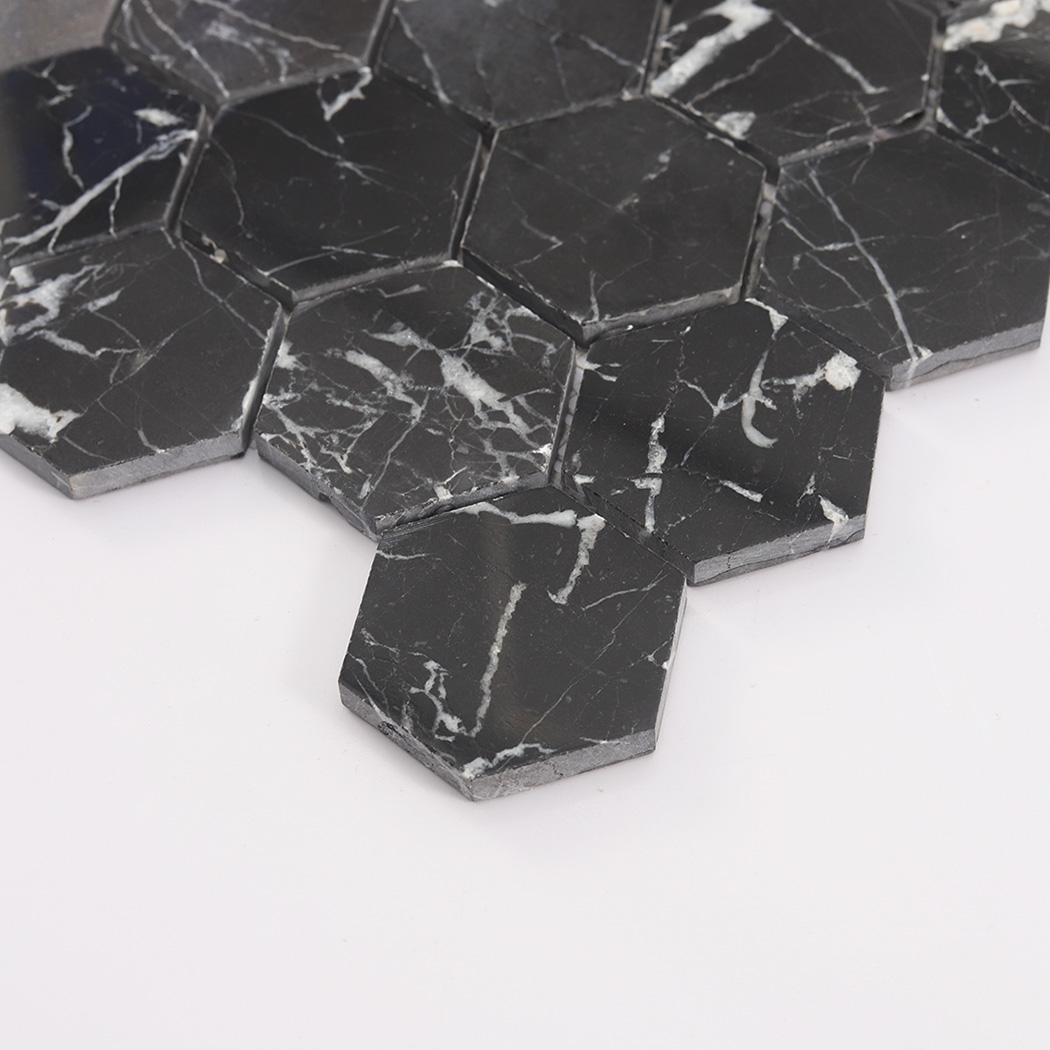
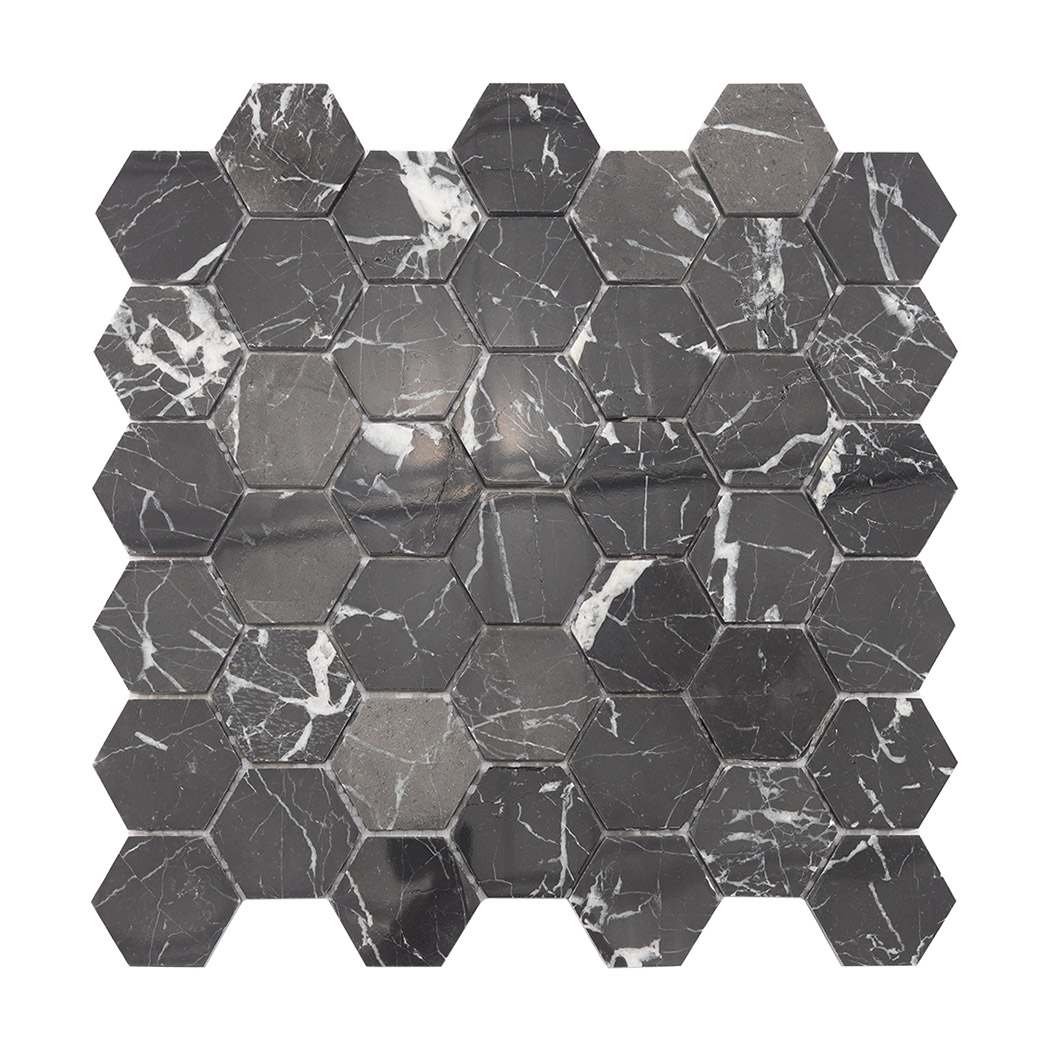

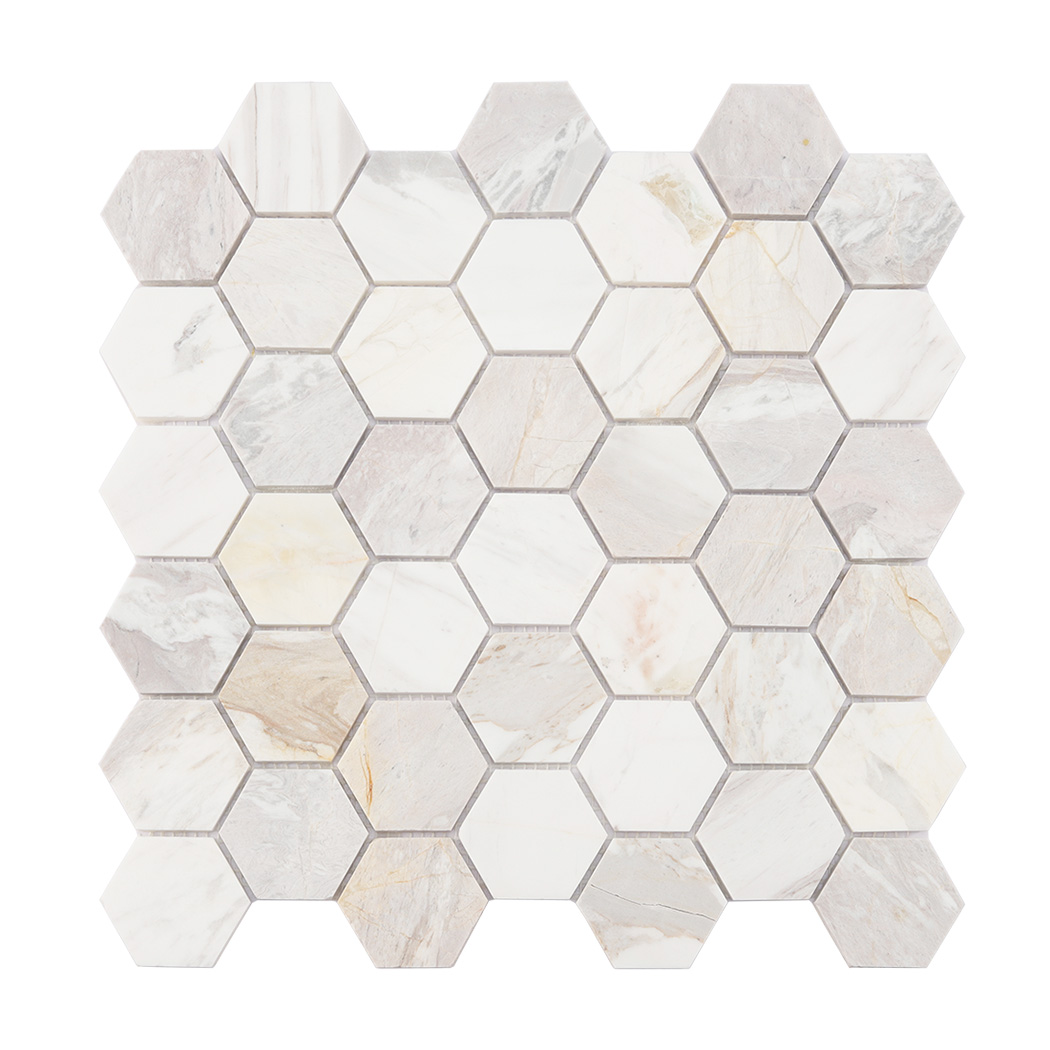
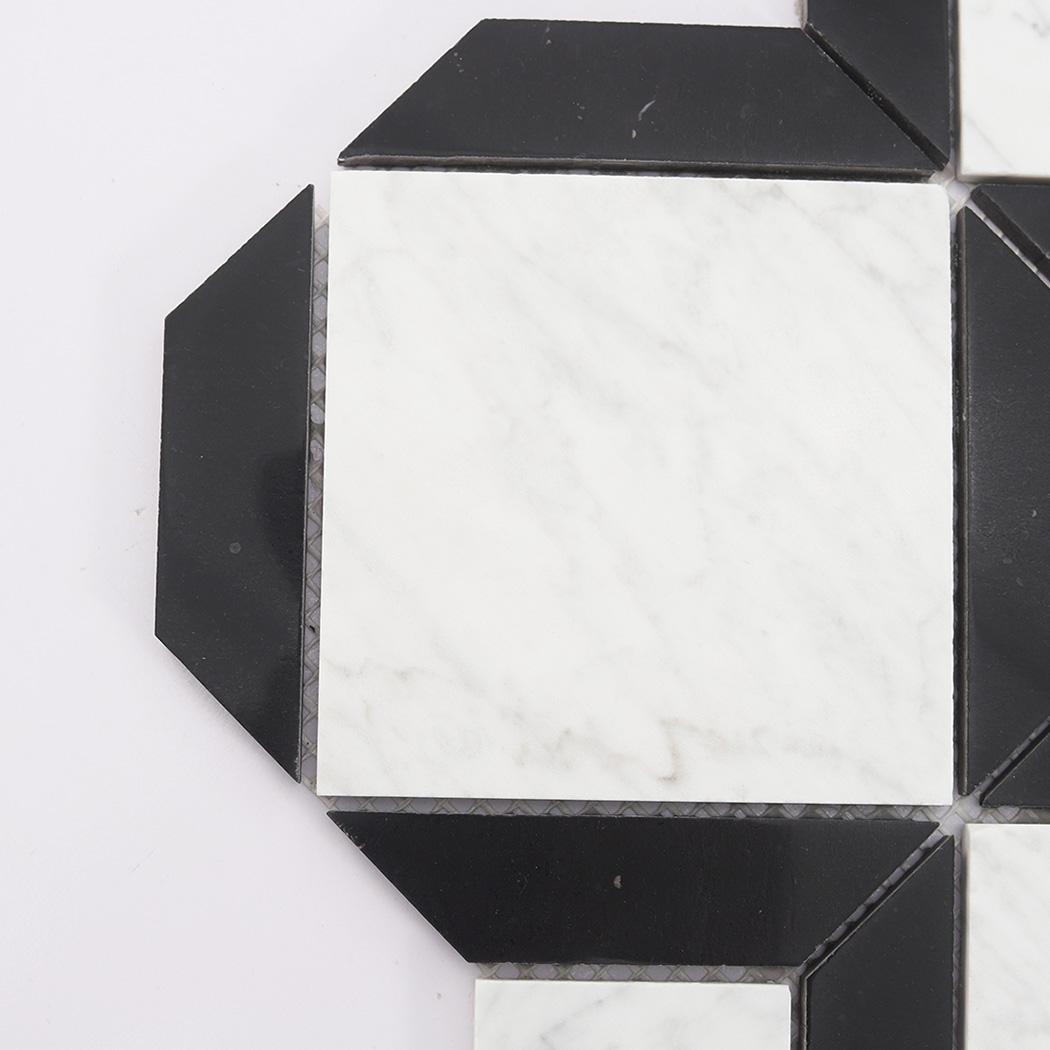



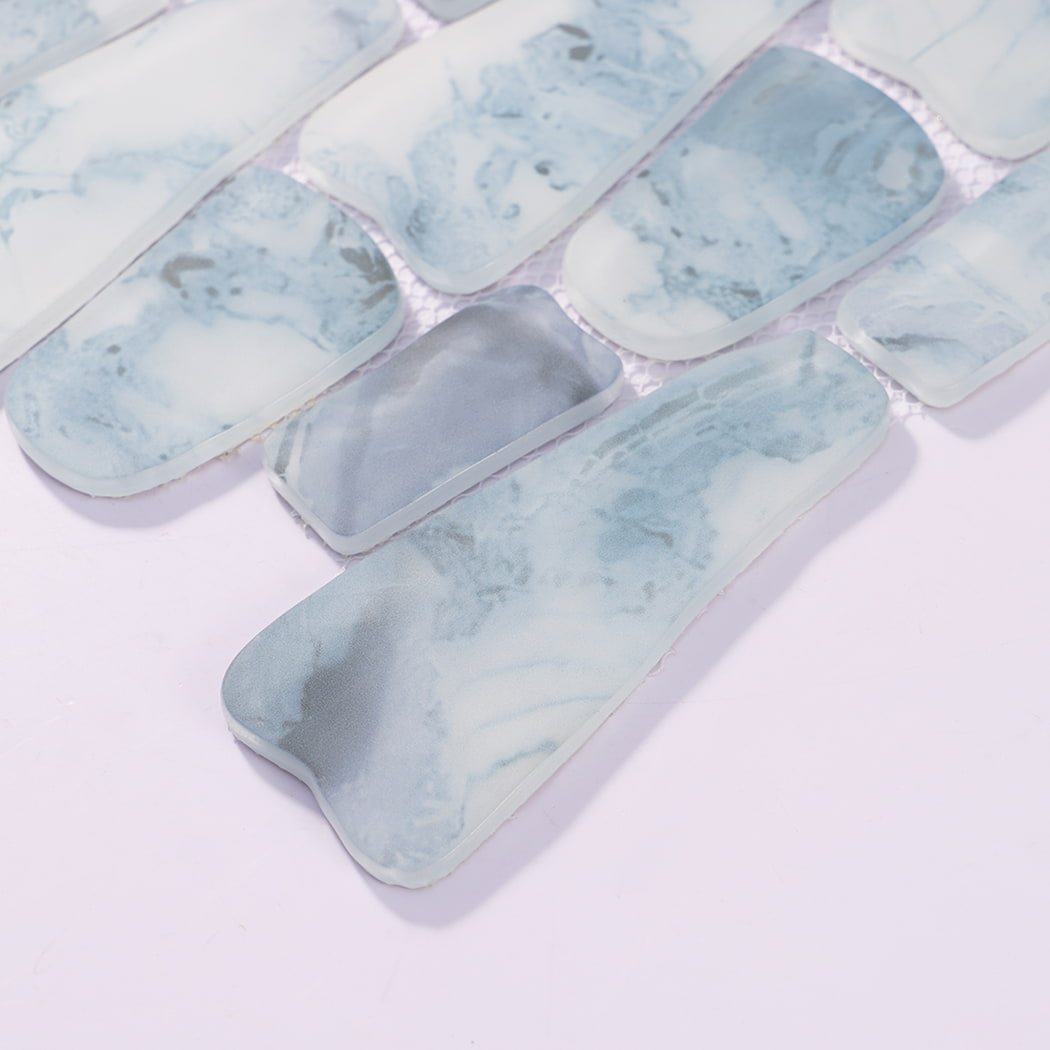
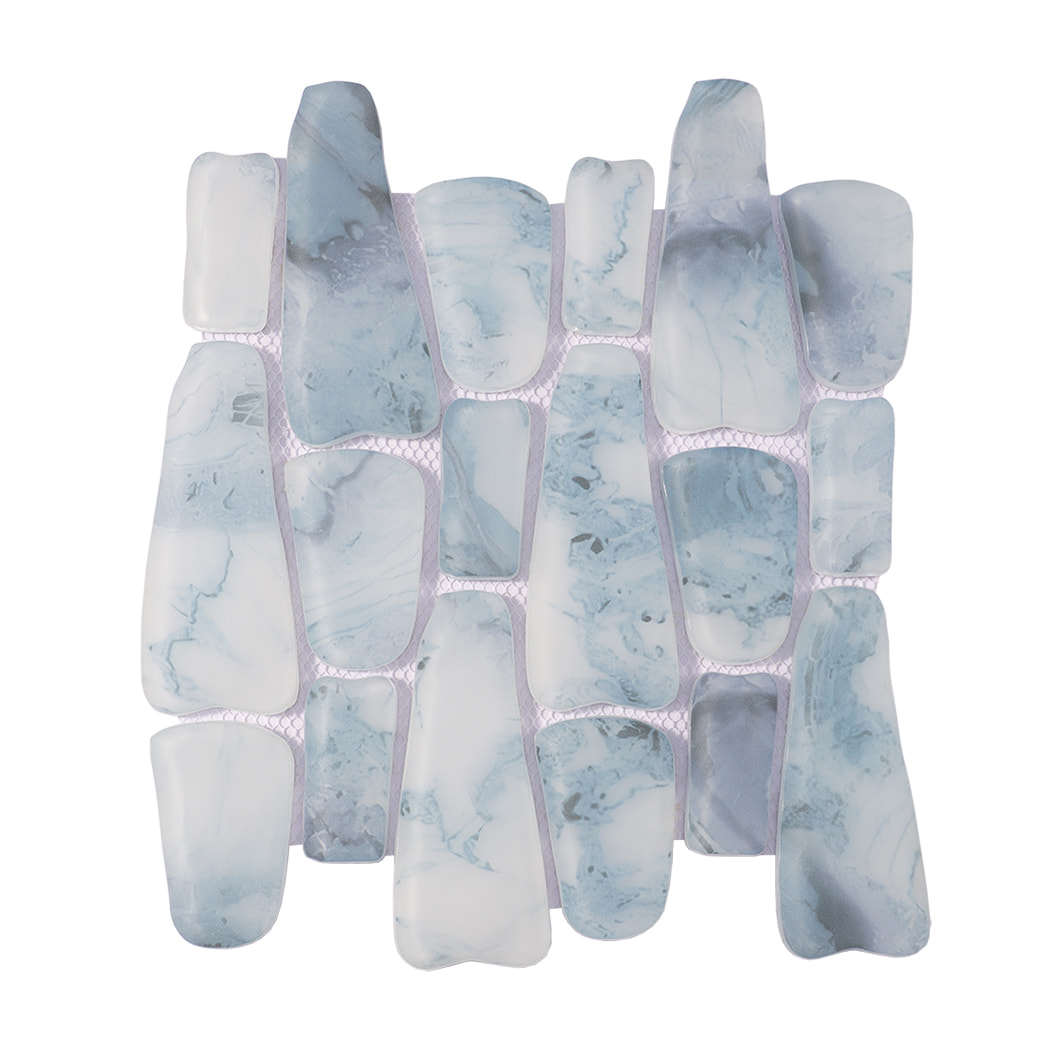
Coastal floor tiles bring the calm, open feeling of the shoreline into everyday interiors. Inspired by sea glass, sun-washed sand, weathered driftwood, shells and coastal stone, the Saicina Tiles collection combines ocean-influenced color with practical surfaces for bathrooms, kitchens, entryways, living areas and selected outdoor spaces.
Explore soft blue, seafoam green, warm white, sandy beige and driftwood gray designs in porcelain, ceramic, glass mosaic, natural stone and handcrafted formats. Whether your project calls for a quiet neutral foundation or an expressive ocean-inspired pattern, our coastal floor tile options make it easier to create a space that feels bright, natural and comfortably refined.
Always check the specifications on each product page before ordering. Floor suitability, wet-area use, exterior use, freeze-thaw performance, slip-resistance classification and submerged applications vary by product.
Browse the collection, compare samples in your own light and contact Saicina Tiles for help choosing the right tile for your project.
What Are Coastal Floor Tiles?
Coastal floor tiles are floor-rated tiles selected for their beach-inspired colors, organic textures and relaxed visual character. They are not limited to a single material or pattern. The look may be expressed through a sandy limestone effect, a weathered wood-look plank, an aqua mosaic, a shell-inspired shape or a softly varied handmade surface.
The best coastal interiors feel collected rather than themed. Instead of relying on obvious nautical symbols, they use a balanced palette, natural-looking materials and subtle movement to suggest the landscape where land meets water. This approach works in true beach houses as well as city homes, hotels, cafés and restaurants that want a lighter, more restful atmosphere.
Why Choose Tile for a Coastal-Style Floor?
Moisture-Friendly Options for Kitchens and Bathrooms
Many porcelain, ceramic and glass tile products resist water at the surface and are easy to clean, making properly rated options useful in kitchens, bathrooms, laundry rooms and entryways. The tile itself is only one part of a successful wet-area installation: the substrate, waterproofing, mortar, grout, sealant, slope and drainage must also be appropriate for the space.
Durable Surfaces for Active Homes
Floor-rated tile can handle daily foot traffic, sandy shoes, pets and routine cleaning when the product is matched to the expected use. For a busy entrance, rental property or hospitality setting, review the manufacturer’s traffic, abrasion and application ratings rather than choosing by appearance alone.
A Low-Maintenance Coastal Look
Glazed porcelain and ceramic tiles generally require simple sweeping and damp mopping. They reproduce the appearance of wood, stone or handmade surfaces without the same care routine as many natural materials. Natural stone and some cement or handmade tiles may need sealing, so always follow the care instructions for the selected product.
Flexible Design from Quiet to Expressive
Coastal flooring can be pale and minimal, richly patterned or somewhere between the two. Large-format neutral tiles create a continuous, airy base, while mosaics, scallops, encaustic-inspired patterns and hand-finished pieces introduce more detail. This flexibility lets coastal floor tiles complement modern, Mediterranean, farmhouse, transitional and resort-style interiors.
Popular Coastal Floor Tile Styles
Driftwood-Look Porcelain Planks
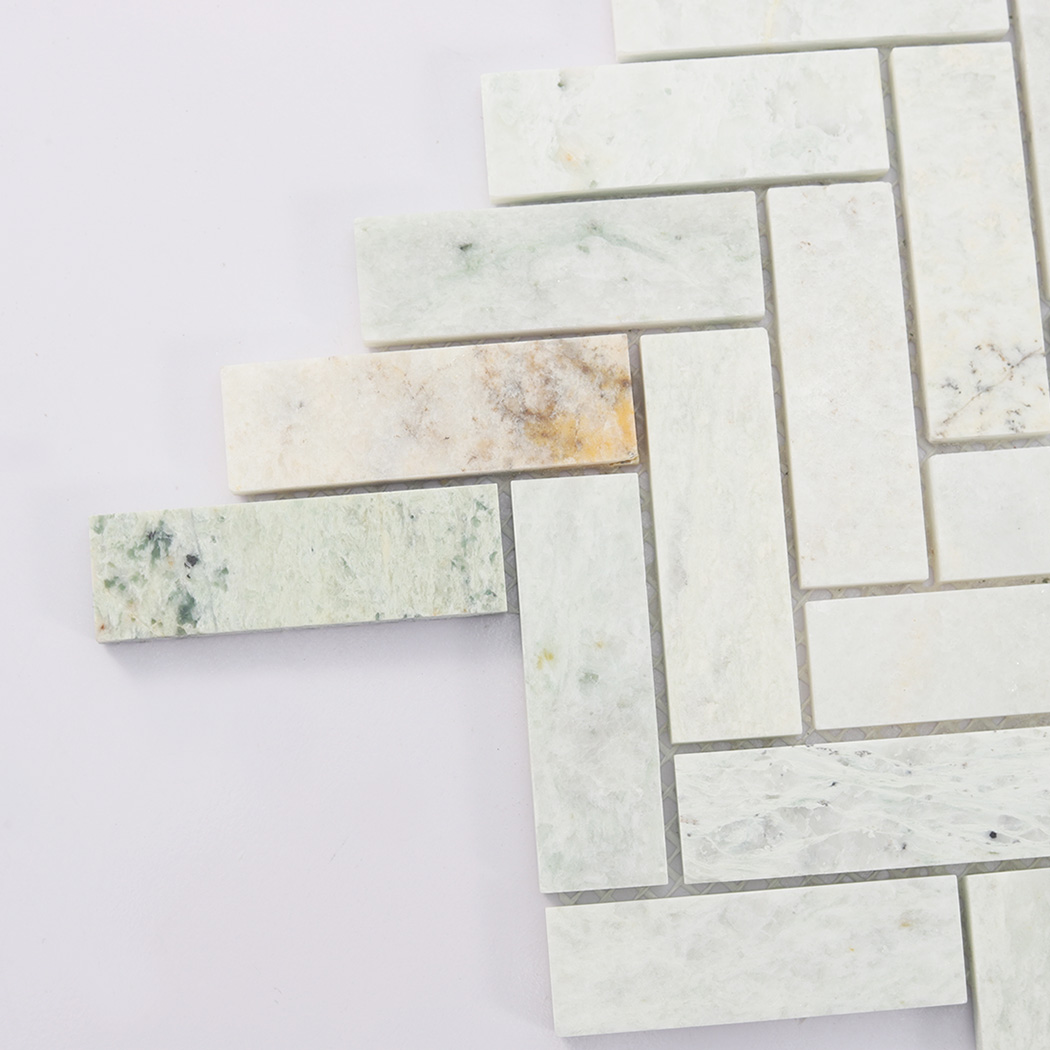
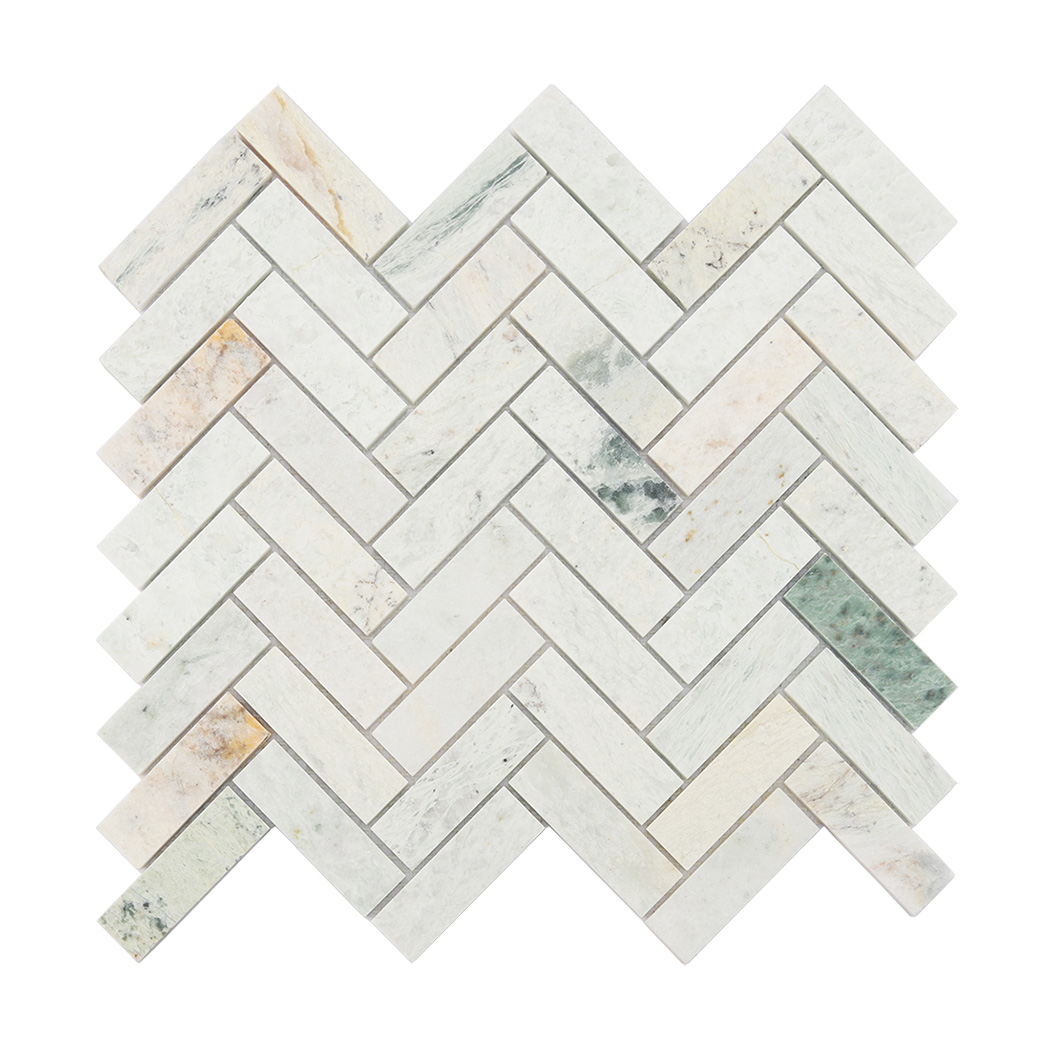
Wood-look porcelain captures the grain, softened color and sun-weathered character of seaside timber while offering a durable tile surface. Pale oak, silver gray and washed beige planks suit open-plan living spaces, corridors and kitchens. A straight layout feels clean and contemporary, while herringbone or chevron patterns introduce more movement in feature areas.
Sandstone and Limestone-Look Tiles
Stone-look porcelain in ivory, cream, light taupe or shell gray creates an understated coastal foundation. It pairs naturally with linen, rattan, light woods and brushed metal. Large formats can reduce the number of visible grout joints and help compact rooms feel more spacious, while smaller formats add detail and texture where the product is approved for wet floors.
Ocean Blue and Seafoam Floor Tiles
Blue does not need to cover the entire floor to establish a coastal mood. Powder blue, aqua, teal and seafoam can define a bathroom, create a patterned border or introduce color at an entryway. Muted and mineral blues usually feel more timeless than highly saturated shades and are easier to coordinate with warm white, sand and natural wood.
Penny Round and Geometric Mosaics
Penny rounds, hexagons, squares and other small mosaics bring rhythm and handcrafted detail to coastal bathroom and shower floors. More grout joints can provide additional texture underfoot, but only products specifically rated for the intended floor and wet-area application should be used.
Mesh-mounted sheets can simplify installation, although careful alignment is essential to avoid visible sheet lines.
Scallop, Fan and Fish-Scale Patterns
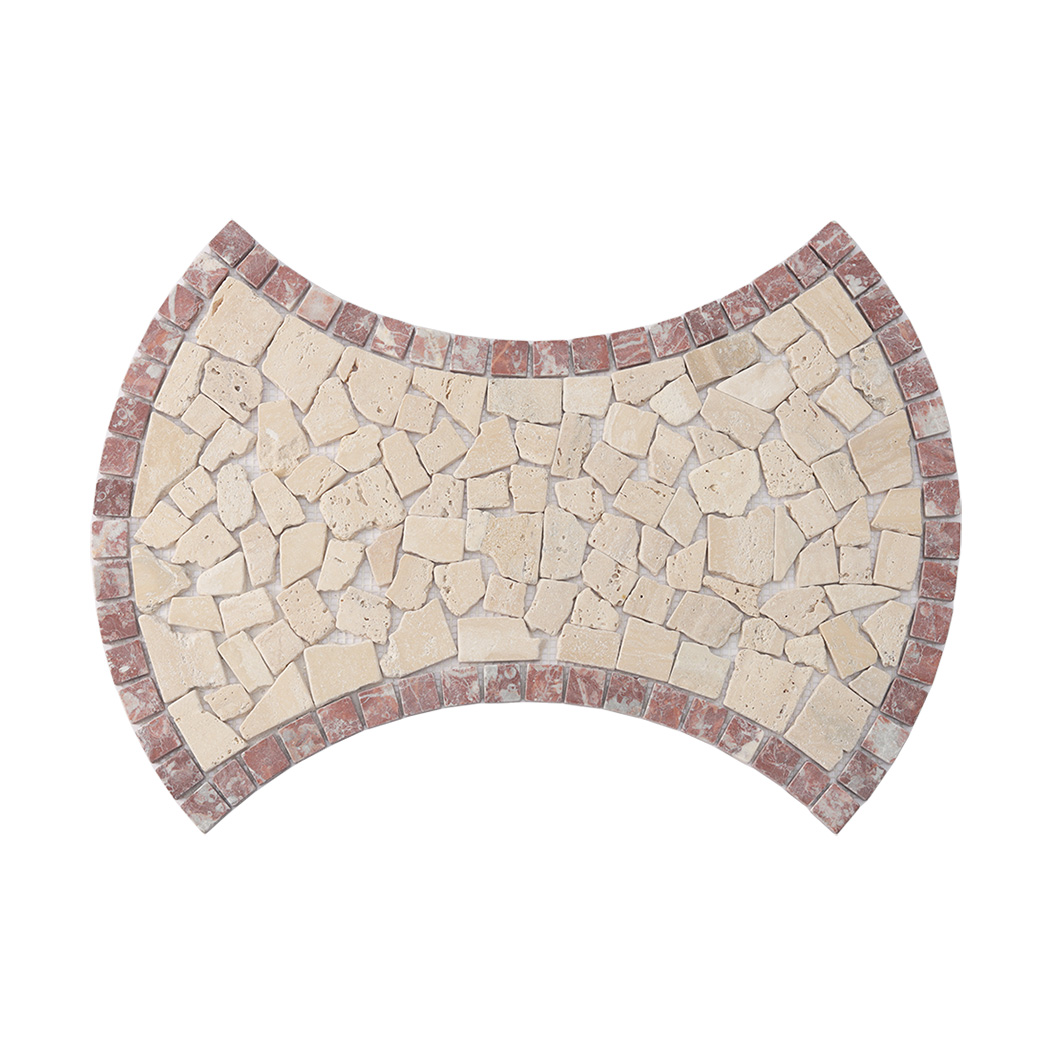
Curved shapes echo waves and shells without relying on literal beach motifs. A scallop or fan tile can become a statement floor in a powder room, boutique or café. Keep surrounding finishes restrained so the pattern remains elegant and the room does not feel overly themed.
Patterned and Handcrafted Coastal Tiles
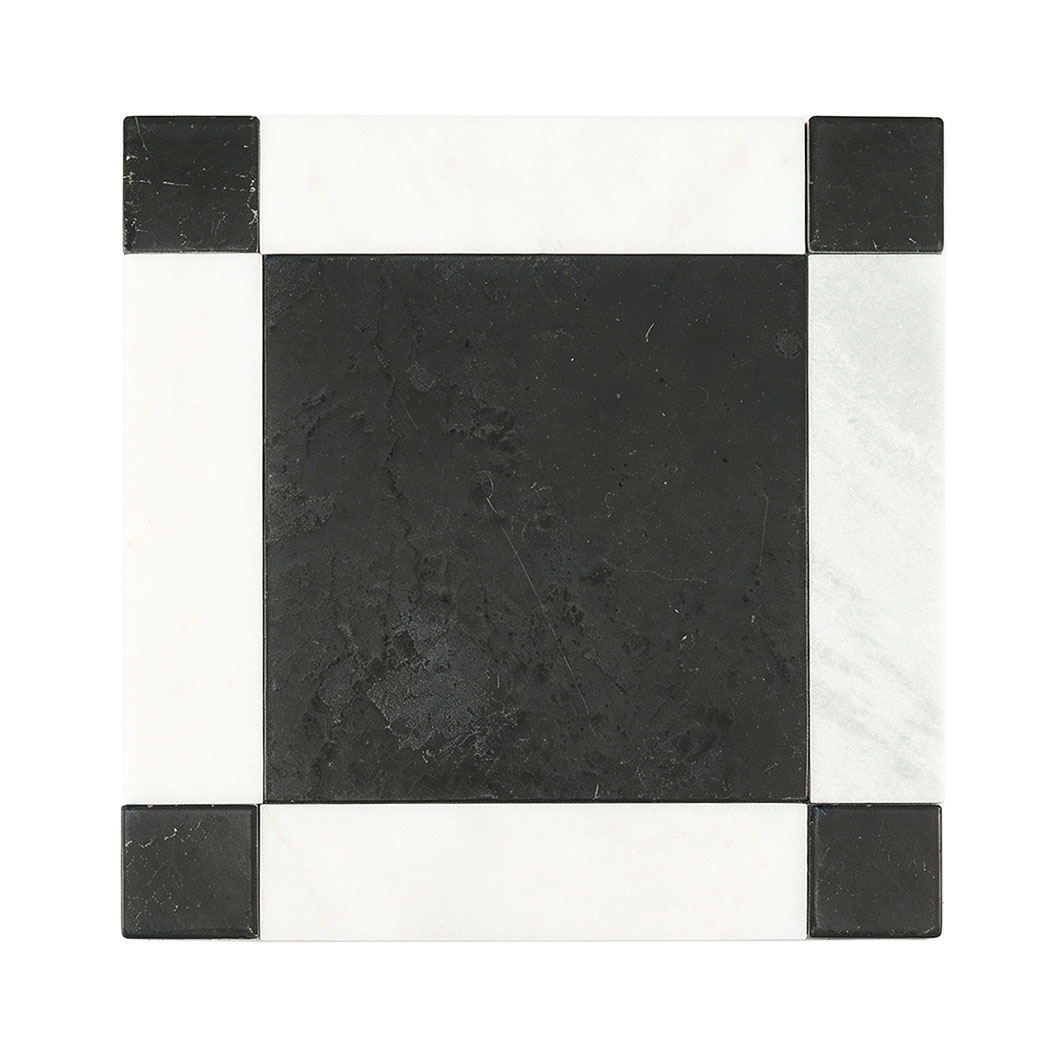
Encaustic-inspired patterns, cement tiles and hand-finished ceramics add a relaxed Mediterranean or vintage beach-house character. Natural shade and edge variation are part of their appeal.
Before installation, inspect and blend pieces from several boxes or sheets to distribute variation evenly. Confirm sealing and maintenance requirements before selecting handmade or cement products for high-use areas.
Choosing the Best Material for Your Space
Porcelain Coastal Floor Tiles
Porcelain is often the most versatile choice for coastal flooring. Its dense construction, low water absorption and broad selection of finishes make it suitable for many kitchens, bathrooms, entryways, living areas and selected outdoor spaces.
Porcelain can reproduce the appearance of limestone, marble, weathered wood, concrete or handmade tile while offering easier routine maintenance. Always confirm the floor rating, wet-area classification, exterior suitability and freeze-thaw approval for the specific product.
Ceramic Coastal Floor Tiles
Ceramic tile offers a wide range of colors, patterns and handmade-looking glazes. It can work well in light-use residential areas when specifically manufactured and rated for flooring.
Do not assume that a ceramic wall tile is suitable for floors. Wall-only products may not provide the required strength, wear resistance or surface performance for foot traffic.
Glass Mosaic Floor Tiles
Glass mosaics provide luminous color and water-like depth, making them especially attractive for coastal bathrooms and decorative floor details. Some products may be suitable for shower floors, pools or submerged areas, while others are intended exclusively for walls.
Always check the floor, wet-area and submerged-use approval for the exact glass mosaic before ordering.
Natural Stone Coastal Tiles
Natural stone offers authentic variation, mineral texture and timeless visual character. Limestone, marble, travertine, slate and pebble mosaics can complement refined coastal interiors.
Stone may require sealing and specialized cleaning. Review its stain sensitivity, wet-area suitability, finish and maintenance requirements before selecting it for bathrooms, kitchens or heavily used floors.
Cement and Handmade Tiles
Cement and handmade tiles provide rich color, individual variation and an artisanal appearance. They are ideal for statement floors, Mediterranean coastal homes, boutique hotels, cafés and restaurants.
These materials may require sealing and more careful maintenance. Confirm their wear, staining, moisture and cleaning requirements before installation.
Coastal Color Palettes That Stay Timeless
Sandy Beige, Oyster and Warm White
These colors reflect dunes, shells and sunlit coastal stone. They brighten a room without feeling stark and provide a flexible foundation for woven textures, pale wood and soft blue accents.
Use a grout color close to the tile for a calm, continuous appearance.
Seafoam, Aqua and Mineral Blue
Cool coastal colors bring freshness to bathrooms, sunrooms and hospitality spaces. For a sophisticated result, combine one blue color family with warm neutrals instead of layering many unrelated ocean shades.
White or light gray grout makes a mosaic pattern more visible, while tonal grout creates a softer and more continuous effect.
Driftwood Gray and Weathered Taupe
Gray-brown shades feel natural and grounded. They work especially well in modern coastal interiors where blue is used sparingly.
Pair driftwood gray floors with cream walls, light oak cabinetry, linen fabrics and matte black or brushed nickel details.
Deep Navy as an Accent
Navy can anchor a light room and create contrast without abandoning the coastal palette. Use it on a patterned floor, border or small-zone mosaic, then balance it with white walls and warm natural materials.
Coastal Floor Tile Ideas by Room
Coastal Bathroom Floor Tiles
Create a spa-like bathroom with pale stone-look porcelain tiles, or use a sea-glass-inspired mosaic for a more expressive floor. Soft blue, seafoam, shell white and sandy beige can make the bathroom feel fresh and peaceful.
In wet zones, prioritize the product’s wet-area classification, appropriate drainage and a professionally installed waterproofing system. A glossy finish may be attractive on a wall but should never automatically be considered suitable for a wet floor.
Coastal Shower Floor Tiles
Small mosaics are popular for shower floors because they can follow the slope toward the drain and provide more grout-joint texture.
Confirm that the tile is specifically approved for shower floors. Slip resistance depends on the complete surface, its maintenance, expected contaminants and installation conditions. No single rating can guarantee that a person will not slip.
Coastal Kitchen Floor Tiles
Kitchens benefit from floor-rated porcelain or ceramic tile that can handle spills and frequent cleaning. Driftwood-look planks add warmth, while sandy limestone-look tiles create a quiet backdrop for white, blue or natural-wood cabinetry.
Medium-value neutrals often conceal crumbs and tracked-in sand better than very dark or brilliant white floors.
Coastal Living Room Floor Tiles
Large-format coastal porcelain tiles can visually connect the kitchen, dining area and living room. Use one consistent field tile, then introduce woven rugs and furniture to define individual zones.
For products with natural-looking shade variation, dry-lay pieces from several cartons before installation to achieve a balanced arrangement.
Coastal Entryway and Mudroom Tiles
Entryways and mudrooms often collect water, grit and sand. Choose a tile surface rated for the expected traffic and moisture conditions, add an effective entrance mat and remove abrasive debris regularly.
Patterned coastal tiles can make a practical entrance feel intentional while disguising minor everyday dust and dirt.
Coastal Laundry Room Floor Tiles
A light stone-look or geometric coastal tile can make a small laundry room feel brighter and more finished. Porcelain and floor-rated ceramic options are practical choices for areas that may experience splashes or frequent cleaning.
Coordinate the floor with white cabinetry, natural storage baskets and light blue or gray walls for a clean coastal appearance.
Coastal Patio and Outdoor Floor Tiles
Only use tiles specifically declared suitable for the exterior conditions at the project location. Outdoor installations require more than a water-resistant tile.
Proper slope and drainage, compatible setting materials, movement joints, a stable substrate and freeze-thaw approval where relevant are all important. Exterior floors should be evaluated as complete installation systems.
Pool Surrounds and Outdoor Coastal Areas
Pool decks and submerged pool areas have different product requirements. Confirm the exact application rather than relying on a general “outdoor” description.
The tile, grout, mortar, waterproofing, drainage and movement joints must all be appropriate for the exposure. Wet exterior surfaces also require project-specific evaluation of texture and slip resistance.
Hotels, Resorts, Cafés and Restaurants
Hospitality floors must balance atmosphere with traffic, cleaning and safety requirements. A subtle stone-look field tile can cover large areas, while custom mosaic medallions or patterned insets can establish a memorable visual identity.
Confirm commercial traffic suitability and discuss transitions, movement joints, maintenance and wet-area conditions with the project designer and installer.
How to Select Coastal Floor Tiles
Start with the Intended Application
Identify whether the floor is located in an interior dry area, interior wet area, bathroom, shower, exterior wet area, pool deck or submerged environment.
Filter products according to the intended use before comparing color, shape or pattern. A design described as “coastal” represents an aesthetic category, not a performance rating.
Review Slip-Resistance Information
For level interior areas expected to be walked on when wet, many United States ceramic tile specifications reference a wet DCOF of 0.42 or greater.
However, DCOF alone does not establish suitability for every project. Traffic, floor slope, contaminants, cleaning methods, footwear, surface wear and manufacturer guidance must also be considered.
Exterior wet areas, ramps, commercial kitchens and pool environments require project-specific evaluation.
Match the Tile Format to the Room
Large-format tile can make open rooms feel continuous and reduce the number of grout joints, but it requires a sufficiently flat substrate.
Small mosaics handle curves and shower slopes more easily. Pattern scale should also suit the viewing distance. Detailed mosaics work well in close-up areas, while broad stone or wood movement is effective across larger floors.
Check Shade Variation and Finish
Shade variation may range from relatively uniform to substantial. Higher variation creates a more organic and beach-weathered appearance, but the tiles should be blended deliberately during installation.
View real samples and several pieces whenever possible. Computer and phone screens cannot accurately display every color, surface, glaze or tonal difference.
Plan the Grout Color
Tonal grout minimizes visual interruption and supports a serene coastal look. Contrasting grout outlines penny rounds, hexagons, scallops and geometric patterns.
In wet or exposed areas, choose a grout system recommended for the application and follow the manufacturer’s mixing, curing, sealing and cleaning instructions.
Order the Correct Quantity
Measure the net floor area and add extra material for cuts, breakage, pattern matching and future repairs.
A simple straight layout often requires approximately 10% extra material. Diagonal layouts, complex patterns, small rooms with many cuts and highly varied tiles may require 15% or more.
Confirm the appropriate allowance with your installer before ordering. Purchase all required material at the same time to reduce the risk of color or production-lot variation.
Order Samples Before Committing
Examine samples in morning light, afternoon light and artificial lighting. Place them beside cabinetry, wall paint, countertops, stone and textiles.
View the sample from both standing height and floor level. A physical sample also helps you evaluate grout color, texture, reflectivity and the visible scale of the pattern.
Installation Guidance for Coastal Environments
A lasting tile floor depends on the complete installation system. Use a qualified tile professional and follow the instructions supplied by the tile, setting-material and waterproofing manufacturers.
-
Confirm that the substrate is sound, flat, clean and appropriate for tile installation.
-
Use waterproofing wherever the complete floor assembly requires it.
-
Remember that tile and grout alone do not form a waterproofing system.
-
Provide the required floor slope and drainage in showers and exterior wet areas.
-
Select mortar, grout, sealant and membranes approved for the tile material and exposure.
-
Include movement joints in the locations and intervals required by the project and applicable industry guidance.
-
Blend tiles from multiple cartons or sheets before installation to distribute natural or manufactured variation.
-
Protect the installation from traffic and water until the mortar and grout have fully cured.
-
For salt-air, pool or exterior exposure, verify the compatibility of the complete system with the installer and product manufacturers.
Cleaning and Maintenance
Routine maintenance is simple when the cleaning method is matched to the tile material.
-
Sweep or vacuum loose sand and grit before mopping.
-
Clean most glazed porcelain and ceramic floors with clean water or a pH-neutral tile cleaner.
-
Avoid harsh acids, strong alkaline cleaners, waxes and abrasive pads unless the product manufacturer specifically permits them.
-
Rinse away cleaner residue because buildup can affect the floor’s appearance and traction.
-
Follow the recommended sealing schedule for natural stone, cement tile and grout products that require sealing.
-
Repair failed sealant or cracked grout promptly.
-
Investigate recurring moisture problems instead of simply covering or resealing them.
-
Keep entrance mats clean and use furniture protectors to reduce scratching from movable furniture.
Design Coastal Floors Without Making the Room Feel Themed
The most enduring coastal interiors borrow from the landscape instead of relying on obvious nautical decorations.
Start with one dominant natural reference, such as sand, sea glass, limestone or driftwood, and build the palette around it. Combine only a few related colors, create interest through texture and leave visual space between statement elements.
A sandy field tile with an aqua mosaic border can feel refined. A scallop floor beside quiet plaster walls can feel artisanal. Weathered wood-look porcelain paired with linen and rattan can feel warm and relaxed.
The goal is not to reproduce a beach scene. It is to recreate the light, movement and natural ease associated with the coast.
Why Choose Saicina Tiles?
Saicina Tiles helps homeowners, designers, builders and hospitality professionals create distinctive tile surfaces using glass, porcelain, ceramic, stone, metal, shell and handcrafted mosaic materials.
Our coastal collection ranges from subtle, easy-to-coordinate field tiles to decorative mosaics and custom artwork for projects that require a more individual identity.
We can help you compare materials, review intended applications, coordinate samples and estimate quantities before an order is placed.
For custom colors, patterns, sizes or mosaic designs, share your drawing, inspiration image, dimensions and installation location with our team so we can evaluate your project requirements.
Ready to create a lighter and more relaxing floor? Explore Saicina coastal floor tiles, order samples or contact us for professional product and project support.
Coastal Floor Tiles FAQ
What Are the Best Floor Tiles for a Coastal Home?
Floor-rated porcelain is often a practical choice because it combines low water absorption with a broad range of wood-, stone- and pattern-inspired designs.
Ceramic, natural stone, cement and glass mosaics can also work when the exact product is approved for the intended floor, traffic and moisture conditions.
Are Coastal Floor Tiles Only for Beach Houses?
No. Coastal describes a color and design direction rather than a geographic restriction.
Ocean blues, sandy neutrals, weathered textures and airy patterns can create a relaxed atmosphere in urban apartments, suburban homes, hotels, restaurants and retail interiors.
Can Coastal Floor Tiles Be Used in a Bathroom or Shower?
Yes, provided the selected product is rated for that specific application.
Bathroom floors and shower floors are not interchangeable categories. Check wet-area suitability, shower-floor approval, slip-resistance information and installation requirements before ordering.
Are All Porcelain Coastal Tiles Suitable Outdoors?
No. Porcelain’s low water absorption is helpful, but exterior suitability depends on additional factors.
The manufacturer must approve the tile for exterior use and, where applicable, freeze-thaw exposure. The complete installation also requires appropriate drainage, slope, setting materials, waterproofing and movement accommodation.
What Colors Work Best for Coastal Flooring?
Sandy beige, warm white, oyster, seafoam, aqua, mineral blue, driftwood gray and weathered taupe form a versatile coastal palette.
Choose colors that coordinate with the room’s natural light and fixed finishes rather than trying to match a generic beach theme.
What Grout Color Should I Use with Coastal Floor Tiles?
A grout color close to the tile creates a seamless and calm appearance. White or light gray grout emphasizes the shape and pattern of blue mosaics, penny rounds, scallops and hexagons.
Consider cleaning and stain visibility as well as appearance, especially in entryways, kitchens and wet areas.
Are Glossy Tiles Safe for Coastal Bathroom Floors?
A glossy appearance alone does not determine safety, but many glossy products are designed for walls rather than wet floors.
Use only products specifically rated for the floor and expected wet conditions. Review the manufacturer’s area-of-use and slip-resistance information before installation.
Do Coastal Floor Tiles Resist Salt Air and Sand?
Performance varies by product and installation system. Floor-rated tile can be durable and easy to clean, but seaside exposure may affect grout, metal trims, setting materials and substrates as well as the tile itself.
Confirm exterior, pool or salt-exposure suitability with each manufacturer and remove abrasive sand through regular cleaning.
How Much Extra Tile Should I Order?
Approximately 10% extra is common for a straightforward layout. An allowance of 15% or more may be appropriate for diagonal patterns, intricate mosaics, extensive shade selection or rooms with many cuts.
Ask your installer to confirm the waste allowance before purchase and retain spare pieces for future repairs.
Should Coastal Floor Tiles Be Sealed?
Most glazed porcelain and ceramic tiles do not require surface sealing.
Natural stone, cement tile, some handmade materials and certain grout products may require sealing. Follow the care instructions for the exact tile and installation products selected.
Can Saicina Tiles Create a Custom Coastal Floor Design?
Custom options may include mosaic patterns, colors, dimensions and artwork, depending on the selected material and project requirements.
Send Saicina Tiles your design reference, floor dimensions, intended application, required quantity and desired delivery schedule for an initial project review.